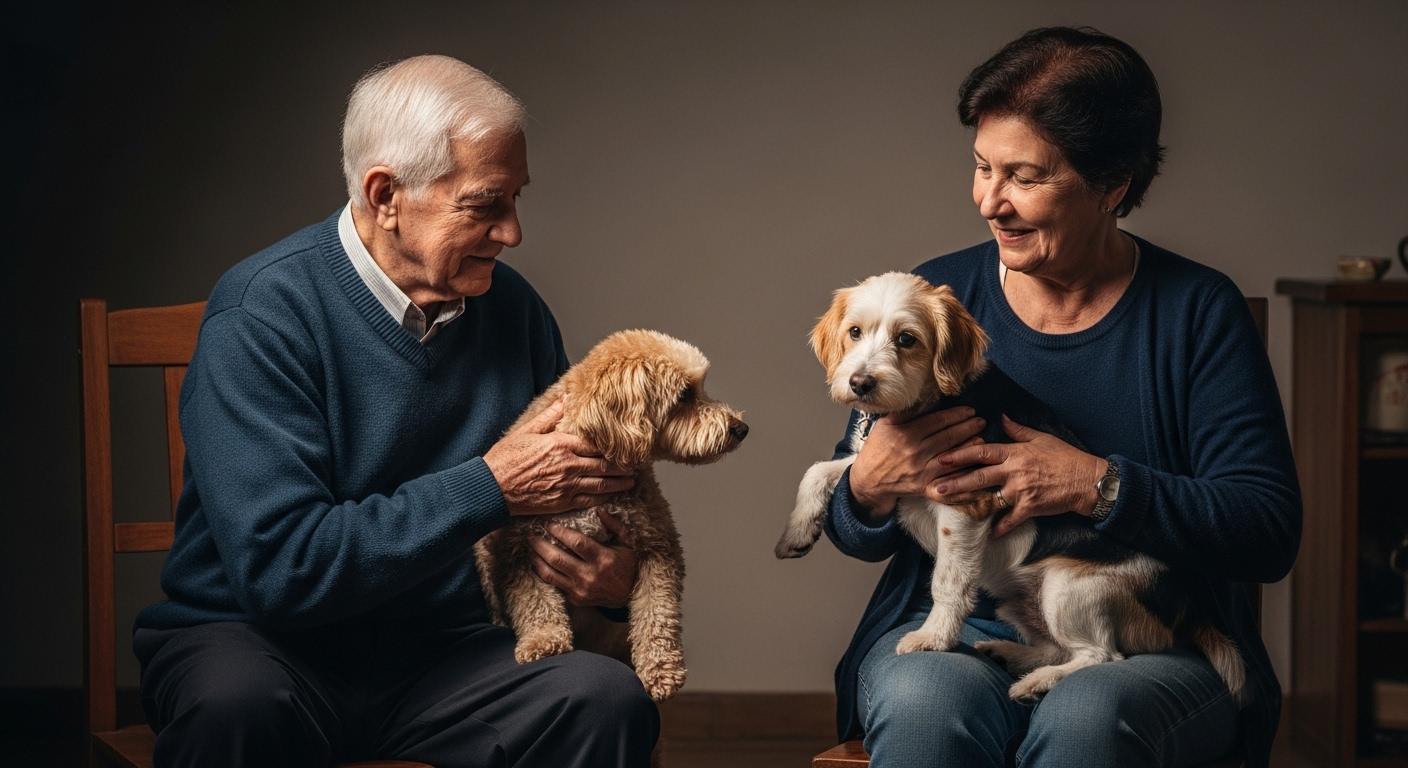
Elderly dog resting at home with family in a Brazilian household.
Updated: March 16, 2026
In Brazil, grandpa Pets Brazil has become a shorthand for how households treat aging dogs and cats as elder family members, requiring more attentive care, long-term planning, and even rethinking end-of-life routines in the home. This trend sits at the intersection of affection, economics, and public conversation about animal welfare. As pet owners age alongside their companions, families confront questions about chronic conditions, mobility support, palliative care at home, and the social rituals that accompany aging animals. This article offers a deeper, policy-minded look at how Brazil’s pet culture is evolving in the context of care for aging animals, what gaps remain, and how communities can translate empathy into practical, scalable actions.
Aging in the Brazilian Pet Landscape
Brazil’s urban centers have seen a shift in how people regard aging pets, paralleling broader trends in human longevity. Many households plan for longer companionship, investing in routine veterinary checks, mobility aids, and senior diets designed to ease arthritis and other age-related conditions. The phenomenon is not merely sentimental; it alters daily routines, housing decisions, and even how families allocate budget for pet care. In regions with strong pet welfare communities, owners exchange practical tips on weight management, gentle exercise, and enrichment that keeps senior pets engaged. For many Brazilians, the elder animal is a co-resident whose needs drive a rethinking of chores, work schedules, and social support networks. This section maps how aging changes shape care expectations, from preventive screenings to the day-to-day adjustments that help senior pets stay comfortable and connected to family life.
Care, Welfare, and Policy Gaps
Access to veterinary care remains uneven across Brazil’s cities and countryside. In large urban centers, telemedicine, veterinary specialists, and pet-welfare services have grown, but rural areas still struggle with distance, cost, and limited hours. As pets live longer, families increasingly face decisions about chronic disease management, palliative care at home, and end-of-life options. These choices sit alongside debates about welfare standards, who bears medical costs, and how to balance quality of life with life extension. A notable cultural shift is visible in municipal and state practices around pet burial and remembrance. In São Paulo, reports describe a legal framework that allows pets to be buried in family graves, reflecting a broader acceptance of pets as family members who deserve dignified rites. Such developments point to a policy landscape that is catching up to lived reality, but gaps remain in funding, regulation, and standardized care pathways that meet aging pets’ diverse needs.
Cultural Narratives: Legacy and Companionship
The idea of a pet as a member of the family resonates differently across Brazilian households, but a common thread is the sense of continuity between generations. In many communities, elder animals carry memories of shared walks, rituals, and everyday routines, becoming living repositories of family history. The phrase grandpa Pets Brazil captures a symbolic bridge between aging humans and aging pets, inviting caretakers to consider dignity, companionship, and social responsibility as a shared project. Media coverage of aging pets—whether through human-interest stories, policy debates, or cultural commentary—has helped normalize conversations about medical care, palliative options, and end-of-life planning. This narrative work matters because it shapes how families decide when to seek veterinary advice, how to allocate resources, and how to support caregivers who shoulder the burden of aging pet care while maintaining quality of life.
Economic Implications for Brazilian Households
Longer lifespans for pets translate into sustained costs, from regular medications to diagnostic tests, senior diets, mobility aids, and potential specialists. For many families, aging pets force difficult budgeting decisions alongside debts, education costs, and housing needs. Yet proactive planning—annual wellness checks, weight management, preventive vaccines, and at-home palliative care—can reduce crisis spending and improve comfort. Community programs, telemedicine options, and insurance products tailored to aging pets are gradually expanding, offering practical pathways for households to spread costs and know what to expect as a pet ages. The bottom line for Brazilian families is not simply about extending life but about preserving dignity, comfort, and meaningful interaction during the later years of a pet’s life.
Actionable Takeaways
- Plan for aging pets with a long-term care checklist that includes veterinary visits, mobility aids, and a calm environment.
- Explore affordable telemedicine and community veterinary services to reduce travel costs for routine senior care.
- Document end-of-life preferences early, including palliative care options and soft transition plans that prioritize comfort.
- Consider pet burial options and discuss local rules with community leaders to align practices with family values.
- Create inclusive routines that allow caregivers to balance work, family, and elder-pet support without burnout.