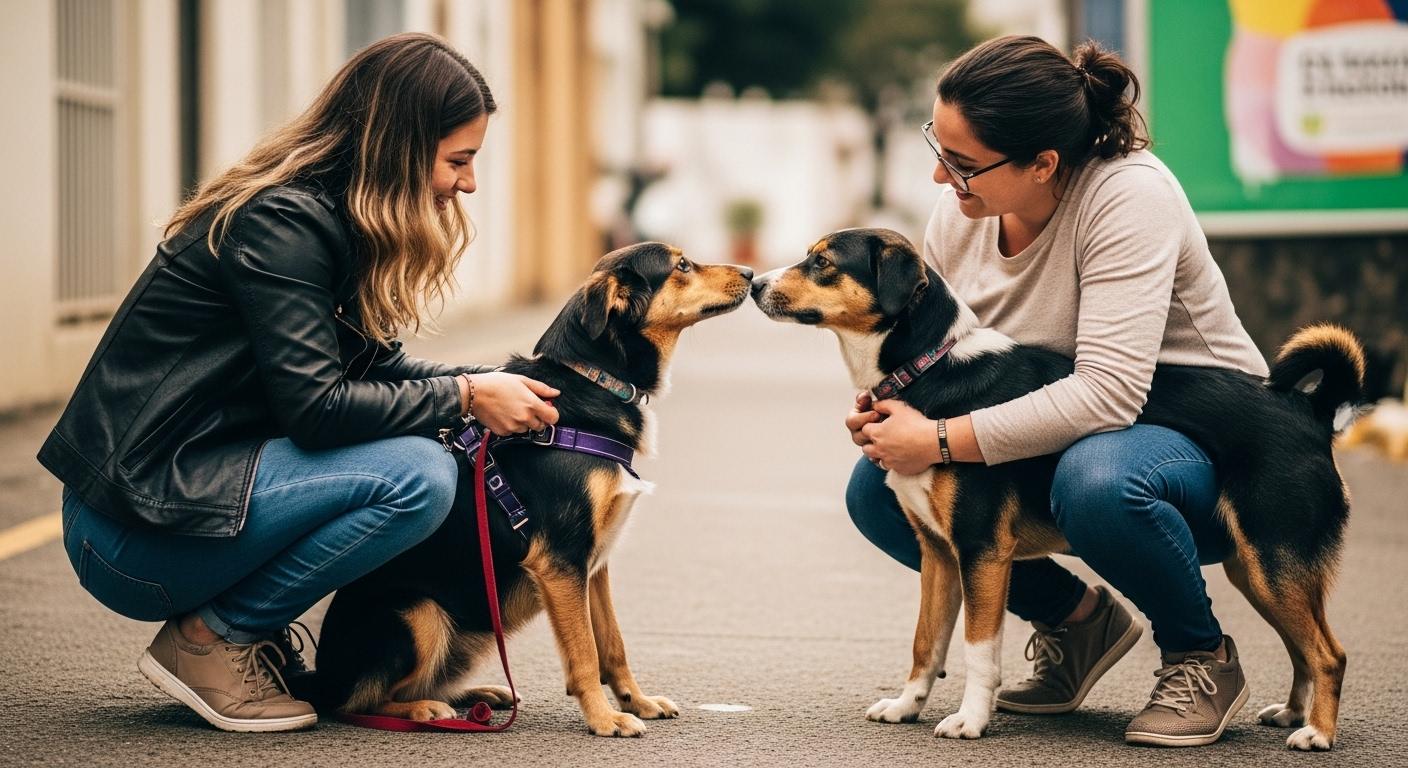
Dog and family in Brazil during flood relief efforts with volunteers
Updated: March 16, 2026
In Brazil’s evolving pet landscape, dogs Pets Brazil are more than companions; they signal how households navigate urban density, climate shocks, and evolving social norms. This analysis connects rescue stories to everyday care, veterinary access, and the policy choices that shape how communities treat their animal members.
The Landscape of Brazilian Pet Welfare
Across Brazilian communities, pet ownership has grown alongside urbanization and income disparities. Many families rely on public and private veterinarians, neighborhood shelters, and community groups to find care and refuge for dogs and other companion animals. While adoption rates rise in cities, gaps persist in rural areas and among lower-income households, where access to vaccines, spaying, and microchip registration can be limited. The result is a patchwork system in which welfare depends on local networks, charity, and citizen advocacy, rather than a uniform national standard. Social and economic gradients shape which families can protect and nourish their animal members, and which communities must rely on informal networks during crises.
Policy makers, veterinarians, and nonprofit groups increasingly recognize that pet welfare is inseparable from human welfare: vaccination campaigns protect public health, shelters provide refuges during displacement, and education campaigns promote responsible ownership. These efforts, uneven as they are across states and municipalities, collectively set the stage for more resilient, animal-friendly cities. In this context, communities are experimenting with microchipping programs, affordable spay-neuter services, and volunteer networks that extend formal services into neighborhoods most in need.
Disaster Resilience: Dogs on the Front Lines
Disaster events, such as heavy rains that flood neighborhoods, reveal both the vulnerabilities and resilience of pets and their guardians. A widely reported incident described dogs, birds, and even a calf being rescued as survivors navigated dangerous conditions. Stories like these underscore the need for disaster planning that explicitly includes animals—from evacuation protocols that accommodate pets to shelters equipped to receive dogs during floods. They also highlight the role of volunteers, veterinarians, and rescue teams who coordinate multi-species rescues under pressure, often with improvised solutions when resources are stretched thin. Beyond immediate救援, communities are learning that including animals in contingency plans reduces long-term trauma for families and accelerates recovery, underscoring the interconnectedness of human and animal well-being during climate events.
Looking ahead, regional authorities are exploring better sheltering designs, portable containment for canine and avian species, and rapid transport options that can move pets to safety without separating them from their owners. The resilience shown by guardians who coordinate with neighbors, rescue groups, and veterinary professionals demonstrates a social fabric that surrounds pets even in the most challenging moments. The key lesson is clear: disaster readiness must be inclusive of dogs and other companions if communities want faster, more comprehensive recovery after extreme weather events.
Policy Frictions and Lessons from Brazil
Policy discourse around pets in Brazil increasingly intersects with cultural values and emotional bonds. In a notable development from São Paulo, lawmakers approved a measure allowing pets to be buried in family graves—a policy inspired by a dog that stayed by its owner’s tombs. While this reflects a demand for dignified, familiar afterlife options for animals, it also raises questions about land use, cemetery management, and how communities fund such care. The episode illustrates how legal frameworks can respond to companion-animal significance while signaling the broader need for clarity on end-of-life options, registration, and municipal oversight. As urban cemeteries adapt to new expectations, municipalities may also need to balance traditional burial practices with environmental considerations and public health guidelines.
Brazil’s policy landscape around pets is still nascent in many areas, with fragmented regulations that vary by city and region. Advocates argue for clearer standards on pet welfare funding, access to veterinary care, and the integration of animal needs into urban planning and public health strategies. Critics warn against conflating animal burial rights with broader land-use and property-law concerns, emphasizing the need for practical mechanisms—such as licensing, environmental safeguards, and equitable funding—to ensure that welfare enhancements are sustainable and accessible to all communities, not just affluent neighborhoods.
Actionable Takeaways
- Prepare a pet disaster kit with identification, water, food, medications, a leash, and a preferred carrier to improve evacuation odds during floods or storms.
- Ensure dogs and other pets have up-to-date microchips, ID tags, and access to vaccines, so they can be reunited with owners quickly after emergencies.
- Advocate for pet-friendly shelters and transit plans that recognize dogs’ needs during displacement, including space, ventilation, and waste management.
- Develop community networks for rapid rescue and rehoming that can operate when formal emergency services are strained.
- Discuss end-of-life options with local authorities and veterinarians to understand burial, cremation, and cemetery options for pets in your area.
Source Context
Source context and links to the reported coverage: