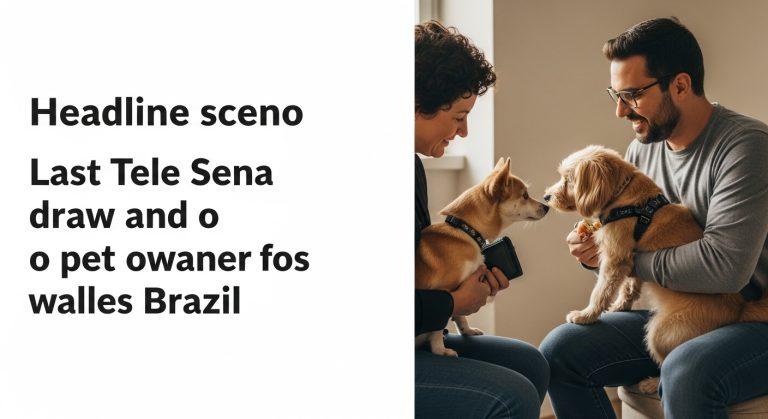
Analysis: Online Pets Brazil reshapes pet ownership and policy
Updated: March 16, 2026
Across Brazil, the online Pets Brazil ecosystem is redefining how families acquire companions, care for them, and even encounter risk. As dogs, cats, aquariums, and non traditional pets move through apps, marketplaces, and social feeds, observers say the digital pet economy exposes both opportunity and vulnerability. This analysis examines the mechanics behind this shift, its effects on animal welfare, and how policymakers and platforms might respond to safeguard buyers and pets alike.
Market Dynamics and Online Platforms
Brazil benefits from a large, mobile connected population and a growing appetite for e commerce, which together fuel a vibrant online pet marketplace. Buyers in distant towns can access sellers they would never meet in person, while sellers can scale beyond neighborhood yards. Platforms range from established marketplaces to social media groups and independent shops that post photos and prices daily. The result is a fast moving marketplace with varying levels of transparency around origin, health status, and age. As digital visibility increases, so too does the potential for misrepresentation, delayed veterinary care, or rapid transfers that leave animals without suitable housing or ongoing care. In this context, the phrase online Pets Brazil signals not just commerce but a web of expectations about reliability, welfare and accountability that cross state lines and urban and rural divides alike.
Welfare, Ethics, and Consumer Risk
Welfare considerations fade in the rush of a quick online encounter, and that can have lasting consequences for animals. Transport stresses, inconsistent housing, and gaps in preventive care are common risks cited by veterinarians and welfare advocates when animals change hands through digital channels. The online format can also obscure crucial details such as precise age, vaccination status, and prior medical history. For Brazilian households, this may translate into higher costs for unexpected veterinary needs, or for animals that require long term behavior training or specialized nutrition. Moreover, the speed of online transactions can pressure buyers into impulse purchases or inadequate research about breed suitability, incompatibilities with living spaces, or the long term lifestyle commitments required by certain pets. In short, welfare outcomes hinge on the availability of reliable information, humane handling during transport, and access to timely veterinary care after adoption or purchase.
Regulatory Landscape in Brazil
The Brazilian policy environment recognizes animal welfare as a public concern and has established frameworks around breeding practices, import and sale, and animal protection. Yet enforcement in digital spaces remains uneven, and platforms often operate as intermediaries between buyers and sellers with limited visibility into origin or welfare conditions. Policymakers and civil society are increasingly debating measures to require seller verification, health disclosures, and clear warnings about the responsibilities of pet ownership. Proposals include licensing for breeders and sellers, mandatory disclosures on platform listings, stricter controls on the marketing of exotic species, and enhanced penalties for mistreatment or abandonment. If enacted, these measures could realign incentives for responsible breeding, reduce the incidence of misrepresentation, and improve owner readiness for the realities of pet care in a country as geographically and economically diverse as Brazil.
Actionable Takeaways
- Buyers and families should verify seller credentials, request recent veterinary certificates, and insist on viewing habitats prior to purchase or adoption.
- Ask for complete health records, vaccination history, and a clear statement of age and origin, and seek a pre purchase vet consultation whenever possible.
- Platforms hosting pet listings should implement vendor verification, require health and origin disclosures, display clear return policies, and provide links to reputable veterinary resources.
- Regulators could consider licensing for breeders and sellers, mandatory disclosures on listings, and transparent reporting dashboards to track welfare findings and enforcement actions.
- Veterinarians, shelters, and welfare groups can publish buyer guides tailored to Brazilian households, offer post purchase assistance, and partner with platforms to verify welfare standards.
Source Context
For readers seeking broader context on pet trade dynamics and advocacy across digital marketplaces, the following sources provide relevant perspectives:
From an editorial perspective, separate confirmed facts from early speculation and revisit assumptions as new verified information appears.