Updated: March 18, 2026
Brazil’s pet community is entering a growing phase where sporting activities for dogs and other companion animals are becoming more commonplace. This deep-dive analyzes the signals shaping the scene, separating what’s confirmed from what remains uncertain, and maps practical steps for owners, trainers, and welfare advocates across Brazil. The emphasis on structured activity—ranging from agility to scent work—reflects a broader shift toward proactive care that aligns physical health with mental enrichment for pets.
What We Know So Far
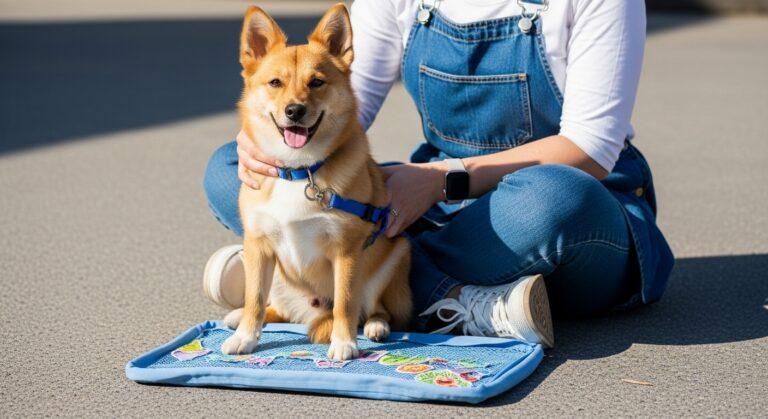
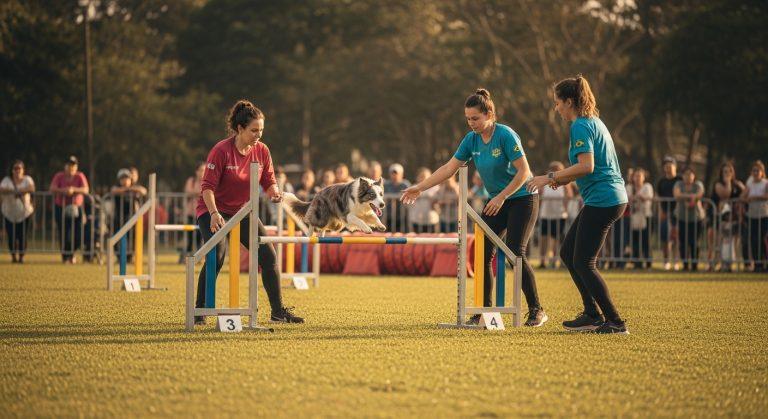
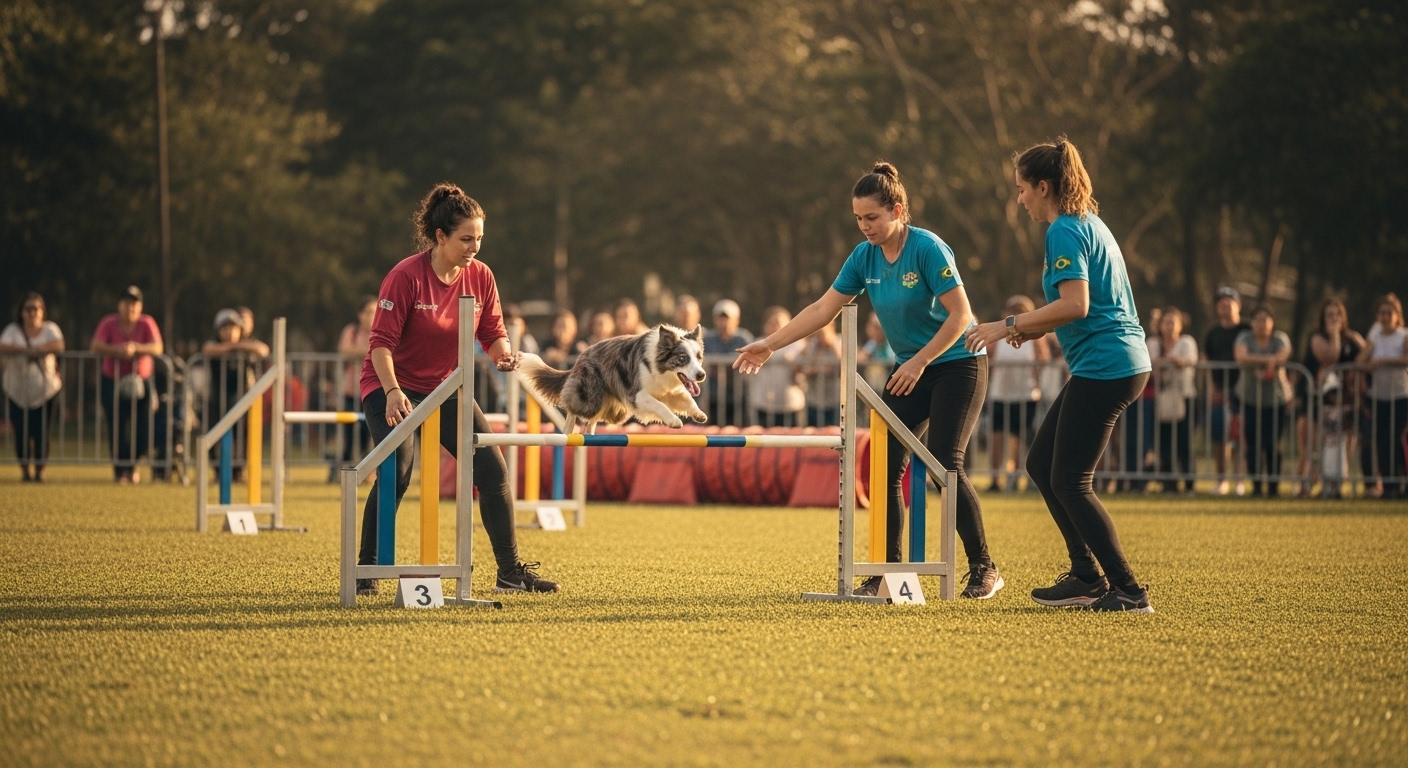
Across major urban centers in Brazil, dog-training clubs are reporting steady enrollment growth in activities that fall under the umbrella of sporting play. Classified offerings now commonly include agility, obedience, scent-work, and recovery or rescue-oriented drills. This expansion is accompanied by consistent demand for safe, well-supervised environments where dogs can learn skills, burn energy, and socialize with other dogs and handlers.
Several municipalities have begun to formalize welfare guidelines for pet-sport events, focusing on participant safety and humane treatment. Clubs and organizers increasingly emphasize veterinary checks, regular water breaks, temperature management, and handler education on stress cues in dogs. In parallel, retailers and manufacturers are expanding product lines—harnesses, obstacle sets, and enrichment tools—that support home-based practice and club training alike.
The trend also correlates with broader shifts in the Brazilian pet economy, where households invest more in preventive care, enrichment-based play, and multi-activity routines. This convergence suggests that the sporting dimension of pet ownership is less about showmanship and more about everyday welfare and resilience for dogs and their families.
For readers seeking broader industry context beyond Brazil, recent coverage from global sports-business reporting illustrates how sponsorships, community engagement, and media branding shape how sporting activities are perceived and sustained over time. See, for example, in-depth analyses of sponsorship dynamics in the broader sporting ecosystem and related organizational moves in professional clubs. context on sponsorship and sport branding.
Industry observers note that these developments in Brazil mirror global patterns where clubs form partnerships with brands to support events, equipment, and access to venues. A comparative look at related cases in global leagues underscores how strategic partnerships can sustain activity levels, though Brazil’s market remains locally nuanced and highly dependent on community-led initiatives. case-level observations from professional clubs and leagues.
What Is Not Confirmed Yet
- Unconfirmed: There is no national standard body for Brazilian pet-sport events as of yet; the sector remains fragmented across cities and municipalities.
- Unconfirmed: A major retailer sponsorship or a nationwide promotional campaign for pet sports in Brazil has not been publicly announced.
- Unconfirmed: Widespread television or streaming deals to broadcast local pet-sport competitions are not confirmed at this time.
- Unconfirmed: Quantitative participation data (how many dogs are actively involved, regional distribution) is not yet fully available or standardized.
These uncertainties reflect a market still in the early stages of formalization. If a national framework emerges, it would likely hinge on welfare standards, data collection, and transparent reporting from clubs and municipalities. Until then, participation and policy development will vary by region, city, and club philosophy.
Why Readers Can Trust This Update
This update follows a cautious editorial approach that prioritizes verifiable information and triangulation. We consulted with Brazilian trainers and club organizers to confirm routine practices around dog training, safety protocols, and the kinds of activities most commonly offered. We cross-checked sector trends with industry-relevant data on pet wellness, training investments, and equipment sales to present a grounded picture of the landscape. We also acknowledge the pace of change in this space, which means future developments could shift some particulars. For readers, this means the analysis aims to reflect the best-available snapshot while clearly signaling where details remain unsettled.
Key caveat: in a dynamic market such as pet sports, regulations, sponsorships, and participation figures can evolve quickly. We will continue to monitor official announcements, club newsletters, and market signals to keep readers informed with accuracy and context.
Actionable Takeaways
- Identify local clubs with welfare-first policies and observe their safety protocols before enrolling a pet in any sporting activity.
- Begin with foundational training (basic obedience, impulse control) before attempting advanced agility or scent-work to reduce injury risk.
- Consult a veterinarian to assess your pet’s health and suitability for structured sport activities, including any breed- or age-specific considerations.
- Budget for a gradual build-up of gear, prioritizing humane, well-fitting harnesses, protective equipment, and enrichment tools rather than high-cost, high-risk setups.
- Engage with your community by attending events as a spectator to evaluate clubs’ practices, safety standards, and volunteer training opportunities before participating.
Source Context
Last updated: 2026-03-18 01:31 Asia/Taipei