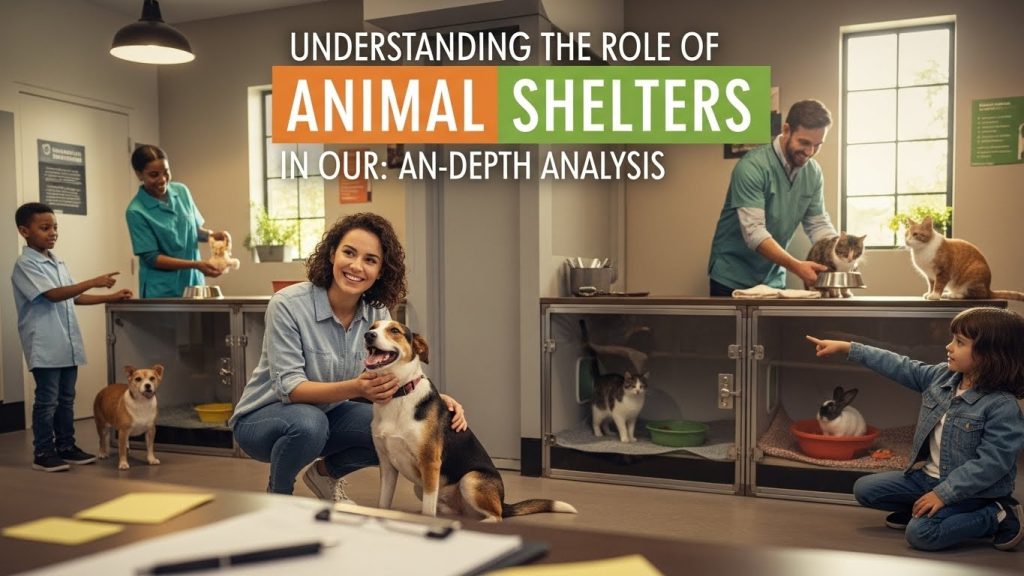
Understanding the Role of Animal Shelters in Our Society: An In-depth Analysis
Animal shelters play a pivotal role in our communities, not only in providing care and shelter to homeless animals but also in promoting responsible pet ownership and advocating for animal welfare. They are a cornerstone of the animal rescue and welfare ecosystem, bridging the gap between stray animals and their potential forever homes. In this comprehensive analysis, we will delve into the various facets of animal shelters, their impact on society, and the challenges they face.
The Purpose and Function of Animal Shelters
At their core, animal shelters exist to provide temporary housing and care for lost, abandoned, or surrendered animals. They offer essential services such as veterinary care, spaying and neutering, and behavior assessments to ensure animals are healthy and suitable for adoption. These shelters also play a crucial role in managing the population of stray animals, which can pose significant public health risks if left unchecked.
Many shelters also engage in community outreach programs, educating the public about responsible pet ownership and the benefits of spaying and neutering pets. This outreach is essential in reducing the number of unwanted animals and preventing overpopulation, which is a common problem in many regions.
The Impact of Animal Shelters on Communities

Animal shelters significantly impact their local communities by improving public health and safety. By controlling the stray animal population through adoption and spay/neuter programs, shelters help reduce the risk of zoonotic diseases, which are diseases that can be transmitted from animals to humans. Moreover, shelters often collaborate with local law enforcement and health departments to manage cases of animal cruelty and neglect, ensuring that animals receive the care they need and that perpetrators are held accountable.
Furthermore, animal shelters contribute to the emotional well-being of individuals and families. Adopting a pet can provide companionship, reduce stress, and even improve mental health. Shelters facilitate these bonds by matching animals with suitable homes, creating a positive impact on both human and animal lives.
Challenges Faced by Animal Shelters
Despite their invaluable work, animal shelters face numerous challenges. One of the most pressing issues is overcrowding, often due to a lack of resources and funding. Many shelters operate on tight budgets, relying heavily on donations and volunteer support. This financial strain can limit their ability to provide adequate care for all animals in need.
Another significant challenge is the stigmatization of shelter animals. Potential adopters may have misconceptions about the behavior and health of animals in shelters, leading them to choose breeders or pet stores instead. This bias can prolong the stay of animals in shelters, exacerbating overcrowding and resource deficiencies.
To overcome these challenges, shelters must engage in community education and outreach, highlighting the benefits of adoption and dispelling myths about shelter animals. Partnerships with local businesses and organizations can also provide much-needed financial support and resources.
The Role of Volunteers and Community Support
Volunteers are the lifeblood of many animal shelters, offering their time and skills to support daily operations and animal care. From walking dogs to cleaning kennels, volunteers perform a wide range of tasks that ensure shelters run smoothly. Additionally, volunteers often assist with adoption events and fundraising efforts, helping to raise awareness and generate the funds necessary to keep shelters operational.
Community support extends beyond volunteering. Local businesses can contribute by sponsoring events, donating supplies, or providing financial assistance. Schools and community groups can also get involved by organizing donation drives or educational workshops focused on animal welfare. Through collective efforts, communities can significantly enhance the capabilities of their local shelters.
Innovations and Future Directions in Animal Sheltering
As animal shelters continue to evolve, many are adopting innovative approaches to improve outcomes for animals and communities. Technology plays a crucial role in this evolution, with shelters utilizing social media and online platforms to facilitate adoptions and increase visibility for their animals. Virtual adoption events and online profiles for pets have become increasingly popular, expanding the reach of shelters beyond their immediate geographic area.
Moreover, some shelters are exploring alternative housing models, such as foster care networks, which provide temporary homes for animals until they are adopted. This approach not only alleviates overcrowding but also allows animals to thrive in a home environment, improving their chances of being adopted.
Looking to the future, shelters must continue to innovate and adapt to changing societal needs. By embracing new technologies and fostering strong community partnerships, shelters can enhance their impact and ensure better outcomes for animals and the communities they serve.
Conclusion: The Vital Role of Animal Shelters
Animal shelters are indispensable to the fabric of society. They provide critical services that protect public health, promote animal welfare, and enrich the lives of countless individuals and families. Despite the challenges they face, shelters continue to make a positive impact through dedication, innovation, and community support.
As we move forward, it is essential for all of us to recognize the importance of these institutions and support them in any way we can. Whether through adoption, volunteering, or financial contributions, each action helps further the mission of animal shelters and creates a more compassionate world for both animals and humans. For more insights into the role of shelters, visit The Humane Society and PAWS.
How to Support Your Local Animal Shelter
Supporting your local animal shelter can take many forms, each of which plays a crucial role in enhancing their capacity to care for animals in need. Here are a few ways you can contribute:
- Adopt, Don’t Shop: Consider adopting your next pet from a shelter instead of purchasing from a breeder or pet store. This decision not only saves a life but also helps reduce the number of animals in need of shelter services.
- Volunteer Your Time: Many shelters rely on volunteers for daily operations. Whether it’s cleaning, feeding, or assisting with events, your time and effort can significantly impact the animals and the shelter’s efficiency.
- Donate Supplies or Funds: Shelters often have a wish list of needed items, such as food, toys, and cleaning supplies. Monetary donations are also invaluable, allowing shelters to allocate resources where they are most needed.
- Foster an Animal: If you’re unable to commit to a permanent adoption, fostering provides a temporary home for animals, offering them a comfortable environment while they wait for their forever home.
- Raise Awareness: Use social media and other platforms to share information about your local shelter and the animals available for adoption. Raising awareness can help increase adoptions and community support.
Case Studies: Successful Shelter Initiatives
Across the globe, animal shelters are implementing innovative programs that have had a significant impact on animal welfare and community engagement. Here are a couple of noteworthy initiatives:
1. The ASPCA’s Relocation Program: To address regional disparities in shelter populations, the ASPCA initiated a relocation program that transports animals from overcrowded shelters to those with more space and higher adoption rates. This program not only eases the burden on overcrowded shelters but also increases the chances of animals finding homes.
2. PAWS Chicago’s No Kill Mission: By implementing comprehensive adoption, spay/neuter, and community outreach programs, PAWS Chicago has successfully maintained a no-kill status, saving thousands of animals each year. Their model demonstrates the power of community involvement and strategic planning in achieving significant animal welfare goals.
The Long-term Benefits of Supporting Animal Shelters
Supporting animal shelters yields benefits that extend far beyond immediate animal care. Over time, these efforts contribute to a more humane society with improved public health and environmental outcomes. Reduced stray populations lead to fewer animal-related accidents and lower incidences of diseases like rabies. Furthermore, shelters often play a role in rehabilitating animals that have been victims of abuse or neglect, transforming them into beloved family members.
On an individual level, adopting pets from shelters can enhance quality of life. Pets provide companionship, encourage physical activity, and can even improve mental health by reducing stress and loneliness. As a society, fostering a culture of adoption and support for shelters can lead to more compassionate communities, where animals are valued and treated with respect.
Conclusion: A Call to Action
Animal shelters are a vital component of any humane society, providing care and opportunities for countless animals to find loving homes. Their work is crucial, yet they cannot do it alone. It requires a collective effort from individuals, businesses, and communities to ensure that shelters can continue their mission effectively.
By understanding the role of animal shelters and actively participating in their initiatives, we can all contribute to a future where every animal is valued and cared for. Whether through adoption, volunteering, or raising awareness, your involvement can make a significant difference. Let us come together to support these essential institutions and create a better world for animals and people alike.
About the Author