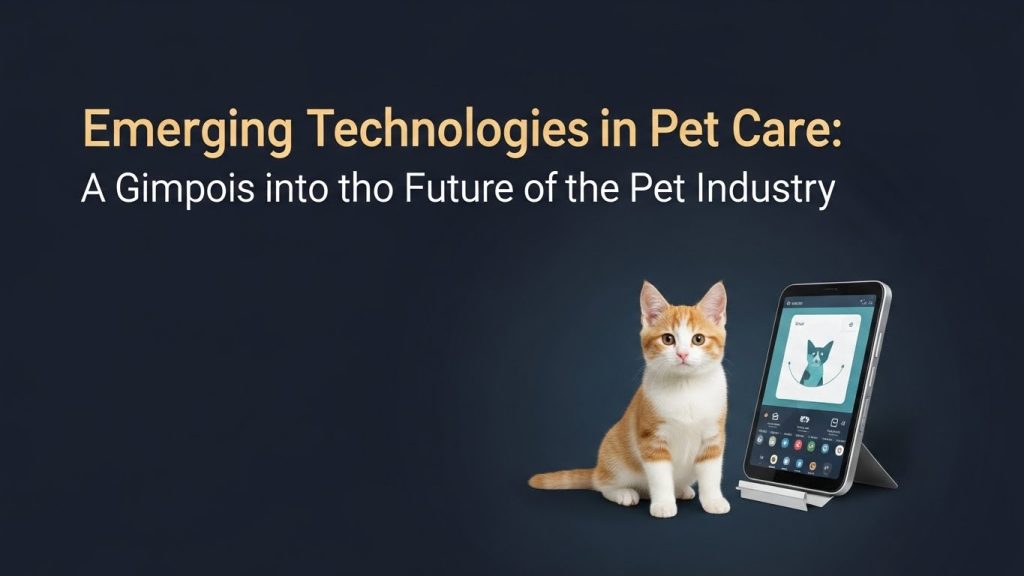
Emerging Technologies in Pet Care: A Glimpse into the Future of the Pet Industry
The pet industry is experiencing a technological revolution that promises to transform how we care for our animal companions. From smart collars that monitor health metrics to automated feeders that ensure pets never miss a meal, technology is redefining pet care. This innovation is not only enhancing the lives of pets but also providing peace of mind to pet owners. This article delves into the emerging technologies shaping the future of the pet industry and explores how these advancements are setting new standards for pet care.
Smart Wearables for Pets
Just as wearable technology has taken the human world by storm, it is now making inroads into the pet industry. Smart collars and harnesses equipped with GPS trackers, health monitors, and activity sensors are becoming increasingly popular. These devices allow pet owners to track their pet’s location, monitor their health metrics such as heart rate and temperature, and even receive alerts if any anomalies are detected.
For instance, the Whistle GO Explore is a leading example of a smart collar that not only tracks location but also monitors activity levels, calories burned, and even sends personalized health insights. By leveraging data collected from these devices, pet owners can make informed decisions about their pet’s diet, exercise, and healthcare needs.
Telemedicine and Virtual Vet Visits

The COVID-19 pandemic accelerated the adoption of telemedicine in various fields, and the pet industry was no exception. Virtual vet visits have become a viable option for pet owners, offering a convenient and often cost-effective alternative to traditional in-office appointments. Platforms like Airvet connect pet owners with licensed veterinarians through video calls, allowing for real-time consultations without the need to leave home.
Telemedicine is particularly beneficial for minor ailments, follow-up consultations, and behavioral assessments. It also enables vets to triage cases more effectively, ensuring that pets requiring urgent care receive it promptly. As telemedicine continues to evolve, it is likely to become an integral part of routine pet care.
Automated Feeding and Monitoring Systems
Automated pet feeders and water dispensers are transforming how pet owners manage feeding schedules. These devices can be programmed to dispense food at specific times and in precise quantities, ensuring that pets receive consistent nutrition even when their owners are away. Advanced models come equipped with cameras and microphones, allowing owners to monitor their pets in real-time and even communicate with them.
Companies like Petnet offer smart feeders that integrate with mobile apps, providing insights into pet eating habits and enabling remote scheduling. Such technology not only ensures the health and well-being of pets but also alleviates the stress of meal management for busy pet owners.
AI and Machine Learning in Pet Behavior Analysis

Artificial intelligence (AI) and machine learning are opening new frontiers in understanding pet behavior. Advanced algorithms analyze data from smart devices to detect patterns and predict behavior, offering insights into a pet’s emotional and physical well-being. AI-powered cameras can recognize specific behaviors, such as barking or scratching, and alert owners to potential issues.
For example, the Petcube Cam uses AI to distinguish between different sounds and motions, enabling more precise monitoring of pet activities. This technology not only helps in identifying behavioral problems early but also aids in training and enhancing the bond between pets and their owners.
Advanced Health Monitoring and Diagnostics
Health monitoring technology is rapidly advancing, with devices now capable of providing comprehensive health assessments for pets. Wearable sensors can track vital signs, detect irregular heartbeats, and even analyze respiratory patterns. This data is invaluable for veterinarians, enabling them to diagnose conditions early and develop personalized treatment plans.
Furthermore, innovations in diagnostic tools, such as at-home test kits for common ailments, are making veterinary care more accessible and affordable. As these technologies become more sophisticated, they will play a critical role in preventive healthcare, enhancing the quality of life for pets.
Pet Care Apps and Digital Platforms
Digital platforms and mobile apps are central to the modern pet care ecosystem. These tools offer a myriad of features, from pet profile management and vaccination reminders to social networking for pet lovers. Apps like TrustedHousesitters connect pet owners with reliable sitters, ensuring that pets receive quality care in the owner’s absence.
Pet care apps are also instrumental in facilitating community engagement and information sharing. Pet owners can access expert advice, participate in forums, and stay informed about the latest trends in pet care. As these platforms evolve, they will continue to empower pet owners with the resources needed to provide optimal care for their furry family members.
Conclusion: Embracing the Future of Pet Care
The integration of emerging technologies in pet care is revolutionizing the industry, making it more responsive, personalized, and efficient. As these innovations continue to develop, they promise to enhance the quality of life for pets and provide greater convenience and peace of mind for pet owners. From smart wearables and telemedicine to AI-driven behavior analysis and automated feeding systems, the future of pet care is bright, promising a harmonious blend of technology and compassion.
Pet owners and industry stakeholders alike must stay informed and adapt to these changes, embracing the tools and technologies that can elevate the standards of pet care. The journey towards a tech-enabled pet industry is just beginning, and its potential to transform lives is boundless.
Ethical Considerations and Privacy in Pet Technology
As the adoption of pet technology grows, it is crucial to address the ethical considerations and privacy concerns that accompany these advancements. The collection and analysis of pet data raise questions about data security and privacy. Pet owners must be assured that the information gathered by smart devices and digital platforms is protected and used responsibly.
Manufacturers and platform providers are increasingly focusing on implementing robust security protocols and transparent data policies. This involves encrypting data transmissions, providing clear terms of service, and allowing pet owners control over their data. As the industry matures, ongoing discussions about the ethical use of technology in pet care will play a vital role in shaping future innovations.
Sustainability and Eco-Friendly Innovations in Pet Tech
Another emerging trend in the pet technology sector is the focus on sustainability and eco-friendly products. As environmental awareness continues to rise, pet owners are seeking out solutions that minimize their carbon footprint and promote a healthier planet. Tech companies are responding by developing energy-efficient devices, biodegradable materials, and sustainable product designs.
Initiatives such as solar-powered pet trackers and recyclable packaging are gaining traction, appealing to environmentally conscious consumers. By prioritizing sustainability, the pet industry can contribute to a greener future while meeting the demands of eco-minded pet owners.
Challenges and Opportunities in the Pet Tech Industry
While the pet tech industry is ripe with opportunities, it also faces several challenges. One of the primary obstacles is ensuring the affordability and accessibility of advanced technologies. Many pet owners may find the cost of high-tech devices prohibitive, limiting widespread adoption. Companies must strive to balance innovation with cost-effectiveness, making technology accessible to a broader audience.
Additionally, educating consumers about the benefits and functionalities of pet technologies is essential for driving adoption. As more pet owners become aware of the advantages offered by these innovations, demand is likely to increase, spurring further advancements and competition in the market.
The Role of Research and Development in Driving Innovation
Research and development (R&D) play a pivotal role in the evolution of pet technology. Investments in R&D enable companies to explore new possibilities, refine existing products, and create groundbreaking solutions that address the diverse needs of pet owners. Collaborations between tech firms, veterinary professionals, and academic institutions are fostering an environment of innovation, leading to the development of cutting-edge technologies that enhance pet care.
Continued investment in R&D will be critical for the pet tech industry to maintain its momentum and respond to emerging trends and challenges. By prioritizing innovation, the industry can continue to deliver transformative solutions that improve the lives of pets and their owners.
Final Thoughts: Navigating the Pet Tech Landscape
The future of the pet industry is intrinsically linked to technological innovation. As pet owners increasingly embrace technology to enhance their pets’ well-being, the industry must remain agile and responsive to evolving demands. By addressing challenges, prioritizing ethics and sustainability, and investing in research and development, the pet tech sector can unlock new possibilities and set new standards for pet care.
As we navigate this exciting landscape, pet owners, industry stakeholders, and innovators must collaborate to build a future where technology enhances the bond between humans and their animal companions. The journey is ongoing, and the potential for positive impact is immense. Together, we can create a world where technology and compassion coexist harmoniously, ensuring a brighter future for pets and their families.
About the Author