Sustainable Pet Care: How the Pet Industry is Embracing Eco-friendly Practices
The global pet industry has witnessed a significant shift towards sustainability in recent years. As consumers become increasingly aware of the environmental impact of their choices, the demand for eco-friendly products and services has surged. This trend is reflected across various sectors of the pet industry, from food production to pet accessories. In this post, we’ll explore how the pet industry is adopting sustainable practices and what this means for pet owners.
The Rise of Sustainable Pet Food
One of the most significant areas of change is in pet food production. Traditional pet foods often contain ingredients sourced through environmentally damaging practices. However, there is a growing movement towards more sustainable options. Companies are now producing pet foods that use sustainably sourced ingredients, such as fish certified by the Marine Stewardship Council, and plant-based proteins.
Moreover, insect-based proteins are gaining traction as an eco-friendly alternative. Insects require far less land, water, and food compared to conventional livestock, making them a sustainable protein source. Brands like Yora and Eat Small are leading the way in this innovative approach, offering pet foods that are not only environmentally friendly but also nutritionally robust.
Eco-friendly Pet Accessories
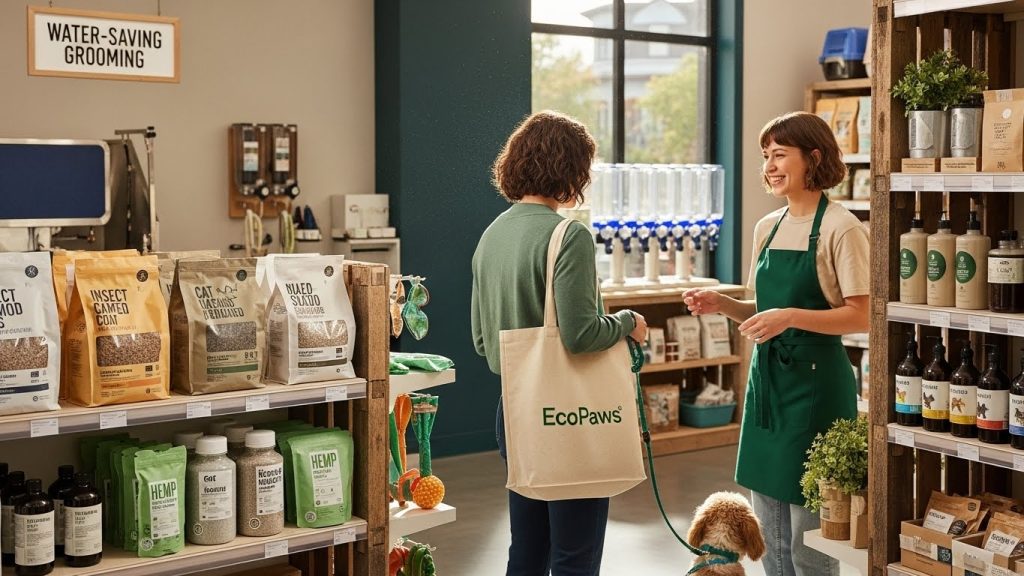
Beyond food, the demand for sustainable pet accessories is also on the rise. Eco-conscious pet owners are opting for products made from recycled or natural materials. For instance, pet toys and bedding are increasingly crafted from organic cotton, hemp, and recycled plastics.

Companies like West Paw and Beco Pets are at the forefront of this movement, providing a range of sustainable pet products. These companies focus on reducing waste and utilizing materials that have minimal environmental impact during production and disposal. This shift not only benefits the environment but also promotes a healthier lifestyle for pets, free from harmful chemicals and synthetic materials.
Biodegradable Waste Solutions
Pet waste is another area where sustainability is being prioritized. Traditional plastic waste bags contribute significantly to environmental pollution. In response, many companies are now offering biodegradable waste bags that break down naturally, reducing their environmental footprint.
Brands such as Earth Rated and BioBag have developed eco-friendly waste disposal options that align with the growing demand for sustainability. These products help pet owners reduce their impact on the planet while maintaining cleanliness and hygiene.
Green Pet Grooming
The grooming sector of the pet industry is also seeing a transformation towards eco-friendliness. Conventional grooming products often contain synthetic chemicals and are packaged in non-recyclable materials. In contrast, sustainable grooming products use natural ingredients and come in eco-friendly packaging.
Shampoos and conditioners made with organic ingredients, such as aloe vera and coconut oil, are not only better for the environment but also gentler on a pet’s skin and coat. Brands like Earthbath and Eco Dog Care offer a range of products that embody these principles, catering to the environmentally conscious pet owner.
Pet-Friendly Accommodations and Services

Even pet boarding and daycare services are embracing sustainability. Facilities are incorporating eco-friendly practices by using solar energy, recycling waste, and choosing sustainable building materials. This not only reduces their carbon footprint but also sets a standard for others in the industry to follow.
Moreover, some pet hotels and daycare centers have begun to implement green cleaning practices, using non-toxic products that are safer for pets and the planet. These efforts contribute to a healthier environment for pets and provide peace of mind for pet owners.
The Role of Technology in Sustainable Pet Care
Technology is playing a crucial role in driving sustainable practices in the pet industry. Innovative solutions, such as pet food subscription services, help reduce waste by delivering the exact amount of food needed, minimizing excess packaging and spoilage.
Additionally, smart devices and apps designed for pet care can optimize resource use, from automated feeders that dispense precise portions to smart collars that monitor a pet’s health, reducing the need for unnecessary products and services.
The Impact of Consumer Awareness
Consumer awareness is a significant driving force behind the shift towards sustainability in the pet industry. As more pet owners seek out eco-friendly options, companies are compelled to innovate and provide sustainable solutions. This growing demand is creating a positive feedback loop, encouraging more businesses to adopt sustainable practices.
Pet owners are increasingly turning to resources such as the ASPCA and other advocacy groups for guidance on environmentally responsible pet care. This trend is empowering consumers to make informed decisions that align with their values and priorities.
Challenges and Future Prospects
While the pet industry has made significant strides towards sustainability, challenges remain. The cost of producing eco-friendly products can be higher, which may deter some consumers. Additionally, there is a need for more widespread education on the benefits of sustainable pet care.
However, the future looks promising. As technology advances and consumer awareness continues to grow, the pet industry is likely to see even more innovations in sustainability. Companies are increasingly recognizing that sustainable practices are not just a trend but a necessity for long-term success and environmental stewardship.
Takeaways
The pet industry is making commendable progress in embracing eco-friendly practices. From sustainable pet food and accessories to green grooming and accommodations, the industry is responding to the growing consumer demand for environmentally responsible options. This shift is not only beneficial for the planet but also promotes healthier and more sustainable lifestyles for pets and their owners.
As pet owners, it’s essential to support these efforts by choosing products and services that align with eco-friendly values. By doing so, we can contribute to a more sustainable future for the pet industry and the environment. For more information on sustainable pet care practices, visit resources like the World Wildlife Fund and other environmental organizations.
How Pet Owners Can Contribute to Sustainability
Pet owners play a crucial role in driving the demand for sustainable practices within the industry. By making informed choices, they can significantly impact the environment. Here are some ways pet owners can contribute:
- Choose Sustainable Brands: Support companies that prioritize sustainability. Research and purchase products from brands that use eco-friendly materials and practices.
- Reduce, Reuse, Recycle: Apply these principles to pet care. Reuse old blankets or clothing as pet bedding and recycle pet food containers whenever possible.
- DIY Pet Products: Consider making homemade pet toys and treats. Not only does this reduce waste, but it also allows for customization based on your pet’s preferences and dietary needs.
- Limit Resource Waste: Be mindful of water and energy use when caring for your pet. For instance, reduce water waste by using efficient grooming techniques.
Community Initiatives and Education
Community initiatives are vital in spreading awareness and education about sustainable pet care. Local workshops, events, and online forums offer platforms for pet owners to share knowledge and resources. These initiatives encourage communal learning and promote sustainable habits.
Organizations such as The Humane Society frequently provide educational materials and host events focused on sustainable practices. Engaging with these resources can help pet owners stay informed and motivated to make eco-friendly choices.
Innovative Approaches to Sustainable Pet Care
The pet industry continues to innovate with new approaches that prioritize sustainability. Here are some examples of innovative practices gaining momentum:
- Upcycled Pet Products: Some companies are creating pet products from upcycled materials, reducing waste and conserving resources. This approach repurposes materials that would otherwise end up in landfills.
- Circular Economy Models: Emphasizing the reuse and recycling of products, the circular economy concept is being applied to pet care. Companies are designing products that are durable, repairable, and recyclable, extending their lifecycle.
- Subscription Services: These services offer a sustainable alternative by delivering only what is needed, reducing excess production and packaging waste. They can be particularly effective in managing pet food supplies.
The Future of Sustainable Pet Care
The future of sustainable pet care looks promising as the industry continues to evolve. As more companies adopt eco-friendly practices, the availability and variety of sustainable products will expand. This growth will likely lead to more competitive pricing, making sustainable options more accessible to a broader range of consumers.
Furthermore, advancements in technology will continue to play a pivotal role. From improving the efficiency of production processes to enhancing the recyclability of materials, technology will be instrumental in driving sustainability forward.
Ultimately, the collaboration between consumers, businesses, and advocacy groups will be essential in fostering a sustainable pet industry. By working together, we can ensure that our furry friends enjoy a healthy and sustainable future.
To stay updated on sustainable pet care trends and innovations, consider following industry news from reputable sources like Pet Food Industry. Engaging with such platforms can provide valuable insights and inspiration for making eco-friendly choices in pet care.
About the Author