Pet Food Recalls: Understanding the Recent Upsurge and Its Implications
In recent years, the pet industry has witnessed a noticeable increase in pet food recalls, raising concerns among pet owners and industry stakeholders alike. This trend not only impacts consumer trust but also highlights critical issues related to pet food safety and regulation. Understanding the reasons behind this upsurge and its implications is crucial for pet owners, manufacturers, and regulatory bodies. In this comprehensive guide, we delve into the factors contributing to the rise in pet food recalls, the potential consequences, and what can be done to ensure the safety and well-being of our beloved pets.
The Rise in Pet Food Recalls: An Overview
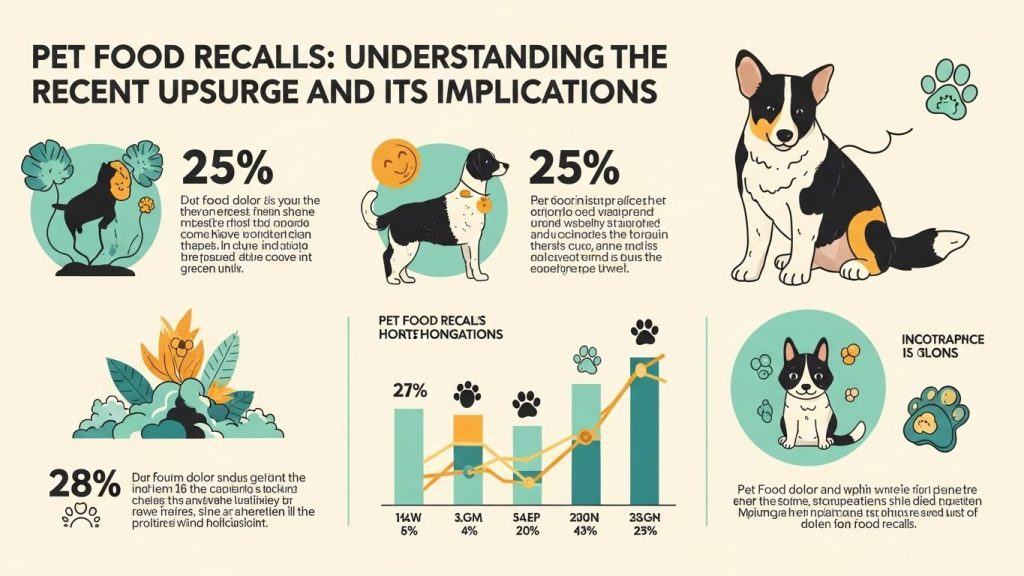
Pet food recalls have become more frequent, with several high-profile cases making headlines. According to data from the U.S. Food and Drug Administration (FDA), there has been a significant increase in the number of pet food products recalled due to contamination, mislabeling, and other safety concerns. This surge can be attributed to several factors, including heightened regulatory scrutiny, advancements in testing technologies, and increased consumer awareness.
Factors Contributing to the Increase in Recalls
Enhanced Regulatory Oversight
One of the primary drivers of the increase in pet food recalls is enhanced regulatory oversight. Agencies like the FDA have intensified their efforts to monitor and regulate the pet food industry, implementing stricter guidelines and conducting more frequent inspections. This proactive approach aims to ensure that manufacturers adhere to safety standards and provide high-quality products to consumers.
Advancements in Testing and Detection

Advancements in testing technologies have played a crucial role in detecting contaminants and other safety issues in pet food products. Improved analytical methods and tools allow for more precise detection of harmful substances, such as Salmonella and mycotoxins, even at trace levels. As a result, potential hazards can be identified and addressed more effectively, leading to an increase in recalls to prevent widespread harm.
Rising Consumer Awareness and Advocacy
In today’s digital age, consumers have access to a wealth of information and are more informed about the products they purchase. Pet owners are increasingly vigilant about the ingredients and sourcing of pet food, leading to greater scrutiny and demand for transparency from manufacturers. This heightened awareness has prompted more frequent reporting of issues and increased pressure on companies to initiate recalls when problems arise.
Common Causes of Pet Food Recalls
Pet food recalls can occur for a variety of reasons, ranging from contamination to mislabeling. Understanding these common causes is essential for both consumers and industry stakeholders.
Contamination with Harmful Substances
Contamination with harmful substances is one of the most prevalent reasons for pet food recalls. Bacterial contamination, such as Salmonella and Listeria, can pose significant health risks to pets and their owners. Chemical contaminants like mycotoxins, which are naturally occurring toxins produced by molds, can also contaminate pet food, leading to recalls to prevent adverse health effects.
Nutritional Imbalances
Nutritional imbalances in pet food can have serious consequences for pets’ health. Recalls may occur if a product is found to contain excessive or insufficient levels of essential nutrients. For example, an excess of vitamin D can lead to toxicity, while a deficiency in vital nutrients can result in malnutrition. Ensuring balanced nutrition is critical to maintaining the health and well-being of pets.
Mislabeling and Packaging Errors

Mislabeling and packaging errors are another common cause of pet food recalls. Incorrect labeling, such as inaccurate ingredient lists or misleading claims, can lead to consumer confusion and potential health risks. Packaging errors, such as the use of incorrect packaging materials, can also result in recalls to prevent contamination and ensure product integrity.
The Implications of Pet Food Recalls
The increase in pet food recalls has significant implications for various stakeholders, including pet owners, manufacturers, and regulatory bodies.
Impact on Consumer Trust
Frequent recalls can erode consumer trust in pet food brands and the industry as a whole. Pet owners may become wary of certain products and switch to alternative brands, affecting sales and brand reputation. Maintaining transparency and accountability is essential for rebuilding trust and ensuring customer loyalty.
Financial and Legal Consequences for Manufacturers
For manufacturers, recalls can result in substantial financial losses due to product recalls, legal liabilities, and damage to brand reputation. Companies may face lawsuits, regulatory penalties, and increased scrutiny from regulatory agencies. Implementing rigorous quality control measures and adhering to safety standards is critical to minimizing the risk of recalls.
Regulatory and Industry Impacts
The rise in recalls has prompted regulatory bodies to reevaluate and strengthen existing regulations. This may lead to the implementation of more stringent safety standards and increased oversight of the pet food industry. Additionally, industry stakeholders may collaborate to develop best practices and guidelines to enhance product safety and prevent future recalls.
Steps to Ensure Pet Food Safety
Ensuring the safety and quality of pet food is a shared responsibility among manufacturers, regulatory bodies, and consumers. Here are some steps that can be taken to enhance pet food safety:
Implementing Rigorous Quality Control Measures
Manufacturers should implement comprehensive quality control measures to ensure the safety and integrity of their products. This includes sourcing high-quality ingredients, conducting regular testing for contaminants, and adhering to industry best practices and regulatory requirements.
Enhancing Transparency and Communication
Transparency and open communication with consumers are crucial for building trust and confidence in pet food products. Companies should provide clear and accurate information about their products, including ingredient sourcing and manufacturing processes. In the event of a recall, timely and transparent communication is essential to inform consumers and mitigate potential risks.
Educating Consumers and Promoting Awareness
Educating consumers about pet food safety and the potential risks associated with recalls is vital for informed decision-making. Pet owners should be encouraged to stay informed about recalls and exercise caution when selecting pet food products. Resources and educational materials should be made available to help consumers understand the importance of pet food safety and how to identify potential issues.
Takeaways
The recent upsurge in pet food recalls underscores the importance of prioritizing pet food safety and quality. While enhanced regulatory oversight and advancements in testing have contributed to the increase in recalls, they also highlight the industry’s commitment to ensuring the well-being of pets. By understanding the causes and implications of recalls, and by taking proactive measures to enhance safety, manufacturers, consumers, and regulatory bodies can work together to safeguard the health and happiness of our furry companions. As the pet food industry continues to evolve, maintaining transparency, accountability, and collaboration will be key to fostering consumer trust and ensuring the highest standards of pet food safety.
Future Trends in Pet Food Safety
As the pet industry continues to grow and evolve, several emerging trends are shaping the future of pet food safety. These trends highlight the ongoing commitment to improving the quality and safety of pet products and ensuring the well-being of our pets.
Innovation in Ingredient Sourcing
The demand for transparency and high-quality ingredients is driving innovation in ingredient sourcing. Manufacturers are increasingly exploring sustainable and ethically sourced ingredients, such as alternative proteins and organic produce, to meet consumer expectations. This shift not only enhances the nutritional value of pet food but also reduces the risk of contamination and recalls.
Adoption of Technology and Automation
The adoption of advanced technologies and automation in the manufacturing process is transforming the pet food industry. Automated systems enable more precise control over production, reducing the likelihood of human error and contamination. Technologies such as blockchain are being explored to enhance traceability and transparency, allowing consumers to verify the origin and quality of ingredients.
Personalized and Functional Pet Foods
Personalized and functional pet foods are gaining popularity as pet owners seek products tailored to their pets’ specific needs. These products are formulated to address individual dietary requirements, health conditions, and lifestyle factors. While personalization enhances pet health, it also necessitates rigorous quality control to prevent recalls and ensure safety.
Increased Collaboration and Industry Standards
Collaboration among industry stakeholders is essential for establishing robust safety standards and best practices. Organizations and manufacturers are working together to develop comprehensive guidelines that address emerging challenges and promote consistency across the industry. These efforts aim to enhance product safety, reduce recalls, and build consumer trust.
What Pet Owners Can Do
Pet owners play a crucial role in ensuring their pets’ safety and well-being. By staying informed and vigilant, they can make informed decisions about the products they choose and how they respond to recalls.
Stay Informed About Recalls
One of the most important steps pet owners can take is to stay informed about recent recalls. Checking the American Veterinary Medical Association (AVMA) website and subscribing to recall alerts from trusted sources can help pet owners quickly identify affected products and take appropriate action.
Read Labels and Research Brands
Reading product labels and researching brands can provide valuable insights into the quality and safety of pet food products. Pet owners should pay attention to ingredient lists, nutritional information, and sourcing practices. Choosing reputable brands with a history of transparency and quality can reduce the risk of encountering unsafe products.
Consult with Veterinarians
Veterinarians are valuable resources for pet owners seeking guidance on pet nutrition and food safety. Consulting with a veterinarian can provide personalized recommendations based on a pet’s specific dietary needs and health conditions. Veterinarians can also provide advice on how to respond to recalls and ensure pets receive adequate nutrition.
Practice Safe Storage and Handling
Proper storage and handling of pet food can prevent contamination and preserve product quality. Pet owners should follow storage instructions on packaging, such as keeping dry food in airtight containers and refrigerating wet food after opening. Practicing good hygiene, such as washing hands before and after handling pet food, can also prevent the spread of harmful bacteria.
Takeaways
In conclusion, the recent upsurge in pet food recalls is a complex issue that requires cooperation and vigilance from all parties involved. By understanding the factors contributing to recalls and taking proactive measures to ensure pet food safety, the industry can continue to advance while maintaining the health and happiness of pets. Pet owners, empowered with knowledge and resources, can make informed choices to protect their beloved companions. As we look to the future, fostering innovation, transparency, and collaboration will be key to overcoming challenges and ensuring the highest standards of pet food safety and quality.
About the Author