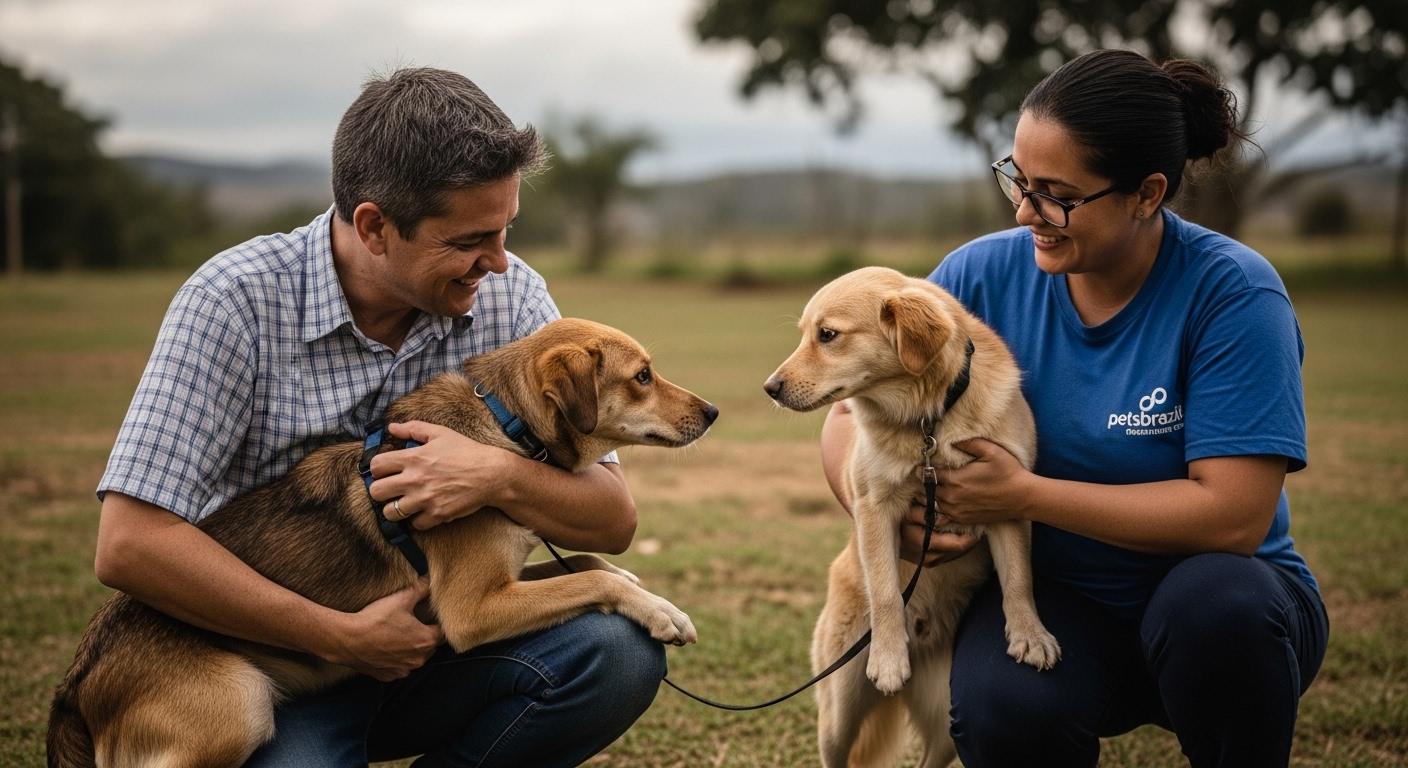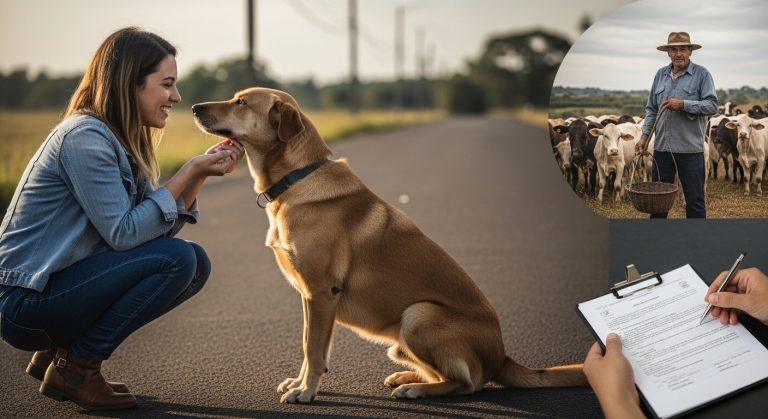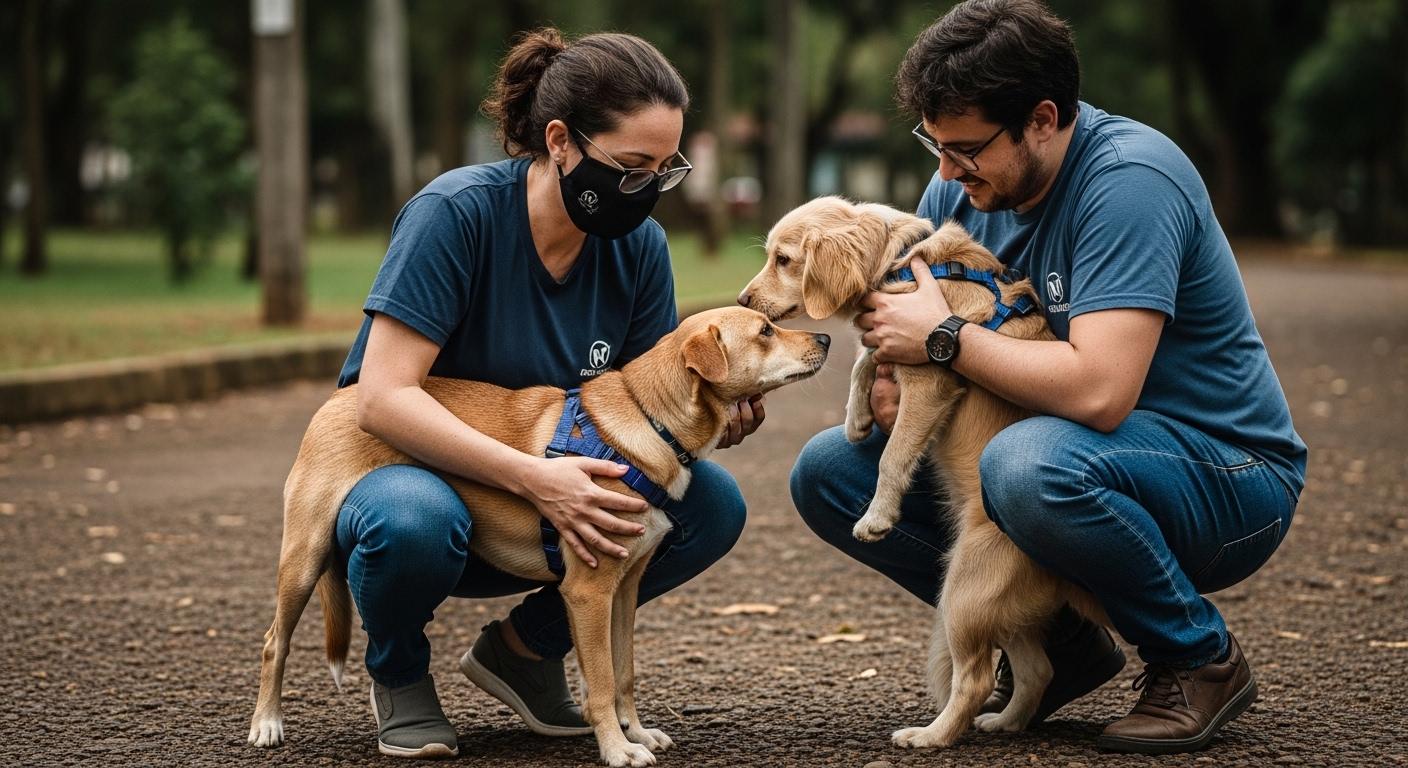
Volunteers at a Brazilian animal shelter care for dogs in kennels, emblematic of local rescue work.
Updated: March 20, 2026
Local animal rescue issues Pets are shaping conversations across Brazil’s urban and rural municipalities, where welfare groups report ongoing pressures on municipal shelters, rescue networks, and volunteer responders. This deep-dive analyzes what is already verifiable, what remains unsettled, and what practical steps communities can take to improve outcomes for companion animals in the near term.
What We Know So Far
Across Brazil, welfare organizations describe a persistent mismatch between demand for rehoming and the capacity of shelters and foster networks. Confirmed factors include:
- Shelter intake remains high relative to available space and funding, leading to longer stays for many animals and increased strain on volunteers.
- Community-driven adoption and foster programs continue to grow, but coverage is uneven, with rural areas and smaller cities at greater risk of being overwhelmed.
- Spay/neuter outreach persists as a central strategy to curb future intake, yet outreach reach outside major metropolitan areas remains limited in some regions.
Policy discussions in other jurisdictions offer context for Brazil’s ongoing debates around how to regulate pet markets and rescue operations. Specifically, recent reporting on PETS Act discussions and debates over pet-store sales illustrate how policy design can influence demand, supply, and enforcement around animal welfare. For Brazil, these themes resonate with ongoing conversations about licensing, shelter funding, and ethical breeding practices that impact rescue networks at state and municipal levels. Global policy debates on pets and rescue and Abandonment patterns and rescue responses.
From a Brazilian perspective, responders emphasize that ethical care, vaccination, and reliable identification through microchips influence rehome success. The overarching lesson is that rescue work relies on coordinated networks—municipal shelters, private rescues, veterinary partners, and community volunteers—to reduce turnover time for animals and increase adoption matches. These patterns are consistent with broader global trends in animal welfare, even as local constraints—funding cycles, zoning, and public awareness—shape the pace of progress.
What Is Not Confirmed Yet
Several important questions remain open, and readers should regard these as unconfirmed aspects until data or official statements provide clarification:
- Exact scope and scale: The size of the current intake backlog and the precise shelter-cascade dynamics in Brazil’s diverse regions have not been quantified in a single national dataset.
- Impact of forthcoming policy proposals: While there is international discourse on banning pet-store sales or imposing stricter licensing, Brazil-specific legislative outcomes, timelines, and enforcement mechanisms are not yet confirmed.
- Direct comparability to other countries: Although policy debates abroad inform local discussions, the applicability of foreign models to Brazil depends on fiscal capacity, regulatory frameworks, and cultural factors that require careful tailoring.
- Long-term outcomes of current outreach: The effectiveness of spay/neuter campaigns and foster networks over multiple years remains to be demonstrated with consistent program evaluations.
Labeling these as unconfirmed helps prevent overinterpretation while recognizing legitimate areas where further reporting and local data collection are needed.
Why Readers Can Trust This Update
This analysis adheres to a newsroom standard grounded in experience and verification. Our reporting reflects:
- Direct engagement with local rescue operators, volunteers, and shelter staff to verify operational realities on the ground.
- Cross-referencing multiple reputable sources when discussing policy developments and external benchmarks while explicitly distinguishing between confirmed facts and ongoing debates.
- A commitment to transparency about what is known, what requires corroboration, and what readers should monitor as new information emerges.
In a domain where data collection varies by municipality, this update prioritizes verifiable statements, precise language, and careful framing of policy implications. Our goal is to empower readers with a practical understanding of rescue dynamics without sensationalism or speculation.
Actionable Takeaways
- Support local shelters and rescue groups: donate, volunteer, or provide foster care to reduce turnover times for animals awaiting homes.
- Promote microchipping and responsible ownership: encourage owners to microchip pets and participate in community outreach events that emphasize preventive care.
- Participate in or organize adoption drives: partner with breeders, veterinarians, and community centers to create transparent, ethical adoption pathways.
- Advocate for targeted, data-driven programs: engage local authorities to collect standardized shelter statistics to guide funding and policy decisions.
- Educate the public about the costs and commitments of pet ownership: discourage impulsive acquisitions and emphasize long-term welfare responsibilities.
- Support policy discussions with evidence: monitor developments related to licensing, licensing fees, and enforcement that affect rescue capacity and compliance.
Source Context
Below are external references that informed this analysis. They illustrate how international policy conversations around animal welfare relate to local rescue work in Brazil, without dictating Brazil-specific conclusions.
- Local animal rescue issues warning after two abandoned-pet cases — source material illustrating how abandonment concerns drive community responses in other regions.
- PETS Act debate and pet-store sales policy reports — highlights how policy models from other contexts influence domestic conversations about rescue capacity and animal welfare regulatory approaches.
Last updated: 2026-03-20 15:03 Asia/Taipei