Impact of COVID-19 on the Pet Industry: A Comprehensive Analysis
The COVID-19 pandemic has brought unprecedented changes to numerous industries around the world, and the pet industry is no exception. As millions of people were confined to their homes, the relationship between humans and pets took on new significance, leading to profound shifts in pet ownership, pet care services, and product demand. This comprehensive analysis examines the multifaceted impact of COVID-19 on the pet industry, highlighting key trends and future implications.
Rise in Pet Adoption and Ownership
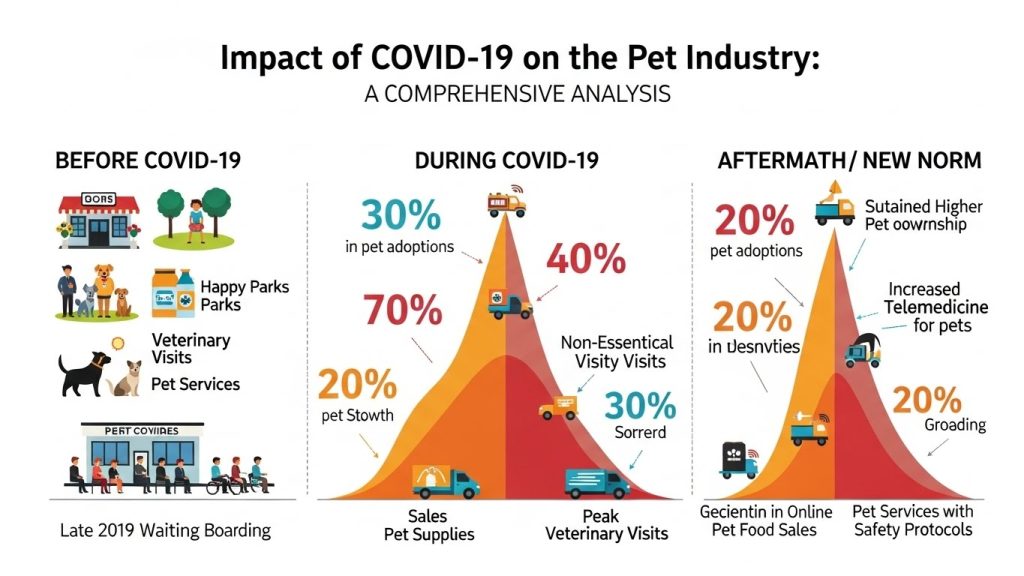
One of the most significant impacts of the pandemic on the pet industry has been the surge in pet adoptions. With more people working from home and seeking companionship, pet shelters reported a dramatic increase in adoption rates. According to the American Society for the Prevention of Cruelty to Animals (ASPCA), there was a 70% increase in pet fostering and adoption inquiries during the early months of the pandemic.
This rise in pet ownership has had far-reaching effects. It has led to an increased demand for pet food, veterinary services, and pet supplies. New pet owners are more likely to invest in premium products and services, contributing to the growth of the industry. However, this surge also posed challenges, such as the need for increased veterinary care and training services to accommodate novice pet owners.
Shift in Consumer Spending and Behavior
The pandemic has drastically altered consumer spending habits, with a noticeable impact on the pet industry. As people spent more time at home, they increasingly turned to online shopping for their pet needs. This shift resulted in a significant boom in e-commerce sales for pet products. According to a report by Pet Food Industry, online pet product sales jumped by over 40% during the pandemic.

Moreover, consumers have shown a preference for premium and organic pet products, reflecting a growing awareness of pet health and wellness. This trend is expected to continue as pet owners become more invested in the quality of their pets’ nutrition and overall care.
Challenges Faced by Pet Businesses
While the pet industry experienced growth in certain areas, it also faced significant challenges. Pet grooming salons, boarding facilities, and training centers suffered due to social distancing measures and lockdowns. Many businesses had to adapt by offering mobile services or virtual consultations to stay afloat.
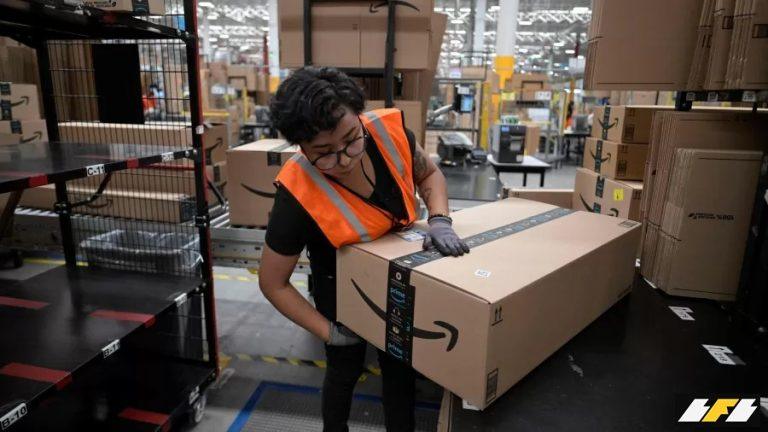
Additionally, supply chain disruptions affected the availability of pet products, leading to shortages and increased prices. The industry had to navigate these obstacles while ensuring the safety of both employees and customers.
Innovations and Technological Advancements
The pandemic accelerated technological advancements within the pet industry. From telehealth veterinary services to pet care apps, technology played a crucial role in meeting the needs of pet owners under lockdown. Virtual vet consultations became a popular option, offering convenience and safety during a time when in-person visits were limited.
Moreover, pet tech gadgets, such as smart collars and automatic feeders, gained popularity as pet owners sought innovative ways to monitor and care for their pets remotely. These technological advancements are expected to continue evolving, offering new opportunities for growth in the pet industry.
Future Implications for the Pet Industry
The long-term effects of the pandemic on the pet industry are still unfolding. As remote work becomes more common, the demand for pet adoption and related services is likely to remain strong. However, the industry must be prepared to address potential challenges, such as overpopulation in shelters if adoption rates decline post-pandemic.

The focus on sustainability and eco-friendly products is also expected to grow, as consumers become more conscious of their environmental impact. Companies that prioritize sustainability and transparency are likely to thrive in the evolving pet market.
Takeaways
The COVID-19 pandemic has undoubtedly reshaped the pet industry, driving changes in consumer behavior, business operations, and technological adoption. As we move forward, the industry must continue to adapt to the evolving needs of pet owners while addressing potential challenges. By embracing innovation and sustainability, the pet industry can continue to grow and thrive in a post-pandemic world.
For more insights into the pet industry’s trends and developments, visit Pet Care Advisors and PetMD for expert advice and guidance.
Community Support and Animal Welfare
An often overlooked aspect of the pandemic’s impact on the pet industry is the role of community support and animal welfare organizations. With a surge in pet ownership, many animal shelters and rescue groups have seen both challenges and opportunities. While adoption rates increased, these organizations faced operational difficulties due to restrictions on gatherings and volunteer shortages.
Community initiatives have played a critical role in supporting these organizations. Local businesses, volunteers, and donors have stepped up to provide essential resources, from funding to supplies and foster homes. This collaborative effort has helped many shelters continue their operations and expand their reach during a time of increased demand.
Pet Health and Wellness Trends
The pandemic has heightened awareness around pet health and wellness. Pet owners are increasingly focused on preventive care, nutrition, and mental well-being for their furry companions. This shift is reflected in the rise of holistic and natural pet products, as well as an increased interest in pet fitness and behavior training.
With more time spent at home, many pet owners have engaged in activities that promote their pets’ physical and mental health, such as daily walks, interactive toys, and training exercises. The emphasis on health and wellness is expected to continue, with pet owners seeking veterinary advice and high-quality products to support their pets’ long-term well-being.
Educational Resources and Training
The pandemic has also underscored the importance of education for pet owners. With many first-time pet owners adopting during this period, there has been an increased demand for educational resources and training programs. Online platforms have become invaluable sources of information, offering webinars, articles, and virtual classes on pet care and behavior.
Organizations like the American Veterinary Medical Association (AVMA) have provided crucial guidance to help pet owners navigate the challenges of pet ownership during the pandemic. The availability of quality educational resources helps ensure that pet owners are well-equipped to provide the best care for their animals.
Global Pet Industry Outlook
The global pet industry has shown resilience and adaptability in the face of the pandemic. While certain regions experienced disruptions, the overall outlook remains positive. Emerging markets, particularly in Asia and Latin America, are witnessing rapid growth in pet ownership and associated industries.
As international travel and trade resume, the pet industry is expected to recover and expand further. Companies are exploring opportunities to enter new markets and diversify their product offerings to meet the evolving needs of pet owners worldwide. Innovation and strategic partnerships will be key drivers of growth in the post-pandemic landscape.
Takeaways
The COVID-19 pandemic has left a lasting impact on the pet industry, reshaping consumer behavior, business practices, and the relationship between humans and their pets. The industry’s ability to adapt and innovate has been crucial in navigating these unprecedented times. As we look to the future, the focus on health, sustainability, and community support will continue to shape the pet industry’s trajectory.
For a deeper understanding of the pet industry’s transformation and future trends, consider exploring resources such as Global Pet Expo and Pet Business, which offer insights and updates on industry developments.
Impact on Pet Services and Professional Care
The pandemic has also had a significant effect on professional pet services such as grooming, boarding, and daycare. With travel restrictions and work-from-home policies, many pet owners found themselves less reliant on boarding services. However, as people begin to return to the office, these services are expected to witness a resurgence in demand.
Pet grooming services adapted by offering mobile and at-home options, ensuring continued care and convenience for pet owners. This flexibility has become a valuable selling point, and many businesses plan to continue offering these services post-pandemic. Additionally, pet therapists and behaviorists have seen increased inquiries as owners seek to address issues arising from changes in routine and environment.
Sustainability and Ethical Concerns
As consumer awareness grows, sustainability and ethical practices have become focal points in the pet industry. Pet owners are increasingly concerned about the environmental impact of pet products and the ethical sourcing of ingredients. This has led to a rise in demand for eco-friendly products, sustainable packaging, and ethically produced pet foods.
Brands that prioritize transparency and sustainability are likely to gain a competitive edge. Initiatives such as reducing carbon footprints, supporting local suppliers, and adopting recycling programs are becoming integral to business strategies. These efforts not only appeal to environmentally conscious consumers but also contribute to the industry’s long-term viability.
Humanization of Pets
The pandemic has further blurred the lines between pets and family members. The concept of pet humanization, where pets are treated and cared for like children, has gained momentum. This trend is reflected in the increasing popularity of pet-friendly home designs, specialized pet diets, and personalized care services.
Pet owners are now more inclined to invest in premium products such as designer clothing, gourmet treats, and luxury accessories for their pets. The emotional bond between pets and owners has strengthened, driving demand for products and services that enhance pet comfort and lifestyle.
Long-term Industry Evolution
The pandemic has accelerated changes that were already underway in the pet industry. The shift towards digitalization, sustainability, and personalized care is expected to continue shaping the industry in the long term. Businesses that embrace these trends and remain agile in the face of change will be well-positioned for success.
The integration of technology in pet care, from AI-driven health monitoring to smart pet toys, will offer new avenues for growth. Companies that invest in research and development to create innovative solutions will meet the evolving needs of pet owners and set new standards in the industry.
Takeaways
The COVID-19 pandemic has been a catalyst for change in the pet industry, driving transformation across various sectors. By embracing new consumer expectations and technological advancements, the industry has the potential to emerge stronger and more resilient. The focus on health, sustainability, and humanization of pets will continue to guide the industry’s evolution, creating opportunities for growth and innovation.
For ongoing updates and insights into the dynamics of the pet industry, consider visiting Pet Care Insider and Pet Industry Insights for expert analyses and reports.
About the Author