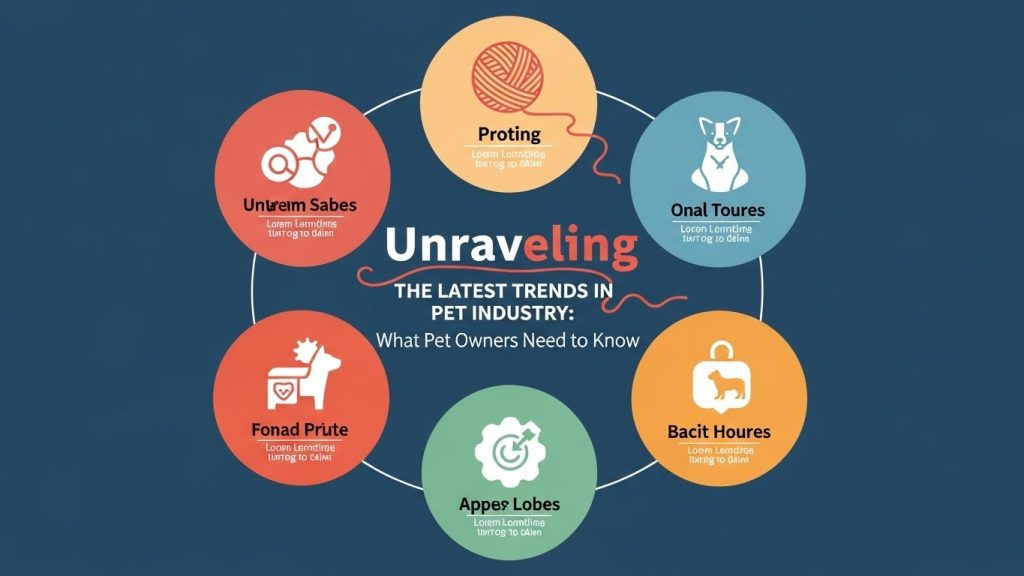
Unraveling the Latest Trends in the Pet Industry: What Pet Owners Need to Know
The pet industry is evolving at an unprecedented pace, offering a myriad of opportunities and challenges for both pet owners and businesses. As we navigate through 2023, understanding these trends can significantly enhance the wellbeing of pets and the experiences of their owners. In this comprehensive guide, we will delve into the latest trends reshaping the pet industry, providing valuable insights for pet enthusiasts and industry stakeholders alike.
The Rise of Pet Tech
Technology is fundamentally transforming various sectors, and the pet industry is no exception. The advent of pet tech has brought about innovations that enhance pet care and monitoring. From smart collars that track a pet’s location and health metrics to automatic feeders and interactive toys, technology is making pet ownership more convenient and engaging.
For example, smart collars are increasingly popular among pet owners who want to monitor their pet’s activity levels, heart rate, and even calories burned. These devices sync with smartphones, providing real-time data and insights. Additionally, automatic pet feeders offer scheduled feeding, ensuring that pets are fed on time, even when their owners are not at home.
Personalized Pet Nutrition
A significant trend in the pet industry is the shift towards personalized pet nutrition. As pet owners become more conscious of their pets’ dietary needs, there is a growing demand for functional pet foods tailored to specific health requirements. This has led to an explosion of options catering to different breeds, ages, and health conditions.

Brands are now offering customized meal plans that consider factors such as age, weight, and health issues like allergies or digestive sensitivities. This trend is supported by subscription-based services delivering freshly prepared meals directly to the pet owner’s doorstep. The focus is on high-quality ingredients and transparency, appealing to health-conscious consumers who want the best for their pets.
Sustainable and Eco-friendly Products
Environmental sustainability is a growing concern among consumers, and this trend is reflected in the pet industry. There is an increasing demand for eco-friendly pet products that minimize environmental impact. From biodegradable poop bags to sustainably sourced pet foods and eco-friendly toys, brands are innovating to meet the expectations of environmentally conscious pet owners.
Eco-friendly products not only help the environment but also often use non-toxic materials, which are safer for pets. As awareness around sustainability grows, more pet owners are opting for products that reduce their carbon footprint, driving a shift towards more responsible pet ownership.
Pet Health and Wellness
The focus on pet health and wellness has never been more prominent. With advancements in veterinary medicine and increased awareness, pet owners are investing more in their pets’ health. This includes regular health check-ups, preventive care, and holistic health approaches such as acupuncture and aromatherapy for pets.

In addition, the American Veterinary Medical Association reports an increase in the use of telemedicine for pets, allowing pet owners to consult with veterinarians remotely. This is particularly beneficial for routine consultations and managing chronic conditions, making veterinary care more accessible and less stressful for pets.
The Humanization of Pets
Pets are increasingly regarded as family members, and this is influencing purchasing behaviors and product offerings. The humanization trend is evident in the growing demand for premium products, including designer pet accessories, luxury grooming services, and even pet-friendly vacations.
Pet owners are investing in products and services that enhance their pets’ quality of life, reflecting the deep emotional bond they share. This trend is also driving the development of pet-friendly housing and travel options, making it easier for pet owners to integrate their pets into all aspects of their lives.
Adoption and Rescue Efforts
There is a significant shift towards adopting pets from shelters and rescue organizations rather than purchasing from breeders. This trend is driven by increased awareness of animal welfare issues and the desire to give animals a second chance at life. Many organizations are leveraging social media and online platforms to facilitate pet adoptions, making the process more accessible and transparent.
The popularity of adoption is also influencing the market, with businesses offering products and services tailored to the needs of rescue animals, such as training programs for pets with special behavioral needs or health conditions.
Takeaways
The pet industry is undergoing a dynamic transformation, driven by technological advancements, changing consumer preferences, and a heightened awareness of sustainability and health. For pet owners, staying informed about these trends is crucial to ensuring their pets lead happy, healthy, and fulfilling lives.
As we continue to embrace these changes, it is essential to prioritize the wellbeing of our pets while supporting innovations that promote responsible and sustainable practices. Whether you are a pet owner or a business in the industry, understanding these trends will help you navigate the evolving landscape and contribute positively to the future of pet care.
The Role of Social Media in the Pet Industry
Social media has become an influential platform for shaping trends and driving engagement within the pet industry. Pet owners and enthusiasts frequently use platforms like Instagram, Facebook, and TikTok to share their pets’ lives, connect with other pet lovers, and discover new products and services. Influencer marketing is thriving, with pet influencers boasting millions of followers, often showcasing the latest in pet fashion, toys, and grooming products.
This digital landscape provides pet brands with a unique opportunity to reach a wider audience through collaborations with pet influencers. Authentic content and genuine endorsements can significantly impact consumer trust and purchasing decisions, making social media an invaluable tool for both new and established pet brands.
The Impact of COVID-19 on Pet Ownership
The COVID-19 pandemic has had a profound effect on pet ownership, with a surge in pet adoptions and purchases during lockdowns as people sought companionship. This increase in pet ownership has also led to a higher demand for pet-related products and services, driving growth in the industry.
As remote work becomes more permanent for many, pets have become integral to home life. This has influenced the design of home spaces and furniture, with more pet-friendly homes being developed. Additionally, the pandemic has accelerated the acceptance of digital solutions in pet care, such as virtual training classes and online veterinary consultations.
Innovations in Pet Insurance
The growing emphasis on pet health and wellness has led to an increase in the uptake of pet insurance. Owners are increasingly viewing pet insurance as a necessary investment to cover unexpected medical expenses, reflecting their commitment to their pets’ health.
Pet insurance providers are expanding their offerings to include a wider range of coverage options, such as wellness plans and chronic condition management. Some companies are also utilizing technology to simplify claims processing and improve customer experience, making it easier for pet owners to access the care their pets need without financial strain.
Pet-Friendly Work Environments
As the bond between pets and their owners strengthens, more workplaces are adopting pet-friendly policies. Bringing pets to work can improve employee morale, reduce stress, and foster a more collaborative environment. Companies that implement such policies often find that they attract and retain talent who value a balanced and inclusive work culture.
To accommodate this trend, businesses are tailoring their office spaces to be more accommodating to pets, with designated areas for play and rest, as well as amenities like pet snacks and toys. This shift not only benefits employees but also creates a more diverse and flexible workplace culture.
Future Outlook: What to Expect
Looking ahead, the pet industry is poised for continued growth and innovation. As technology advances and consumer preferences evolve, we can expect to see further integration of AI and IoT devices in pet care, offering even more personalized and efficient solutions. Sustainability will remain a key focus, driving the development of eco-friendly products and practices that benefit both pets and the planet.
The emphasis on pet wellness will also grow, with holistic health services becoming more mainstream. This includes exploring alternative therapies and preventative care measures that align with a comprehensive approach to pet health. Furthermore, the role of digital platforms in connecting pet owners with resources and communities will expand, creating a more interconnected and supportive environment for pet care.
Takeaways
The pet industry is an ever-evolving landscape, reflecting the deepening connection between humans and their animal companions. For pet owners, staying abreast of these trends ensures they can provide the best care and environment for their pets. For businesses, it presents opportunities to innovate and cater to a discerning and passionate consumer base.
As we embrace these exciting changes, the focus on enhancing pet welfare, embracing sustainability, and fostering inclusive communities will continue to define the future of the pet industry. By understanding and adapting to these trends, we can ensure a thriving ecosystem that supports the needs of pets and their owners alike.
About the Author