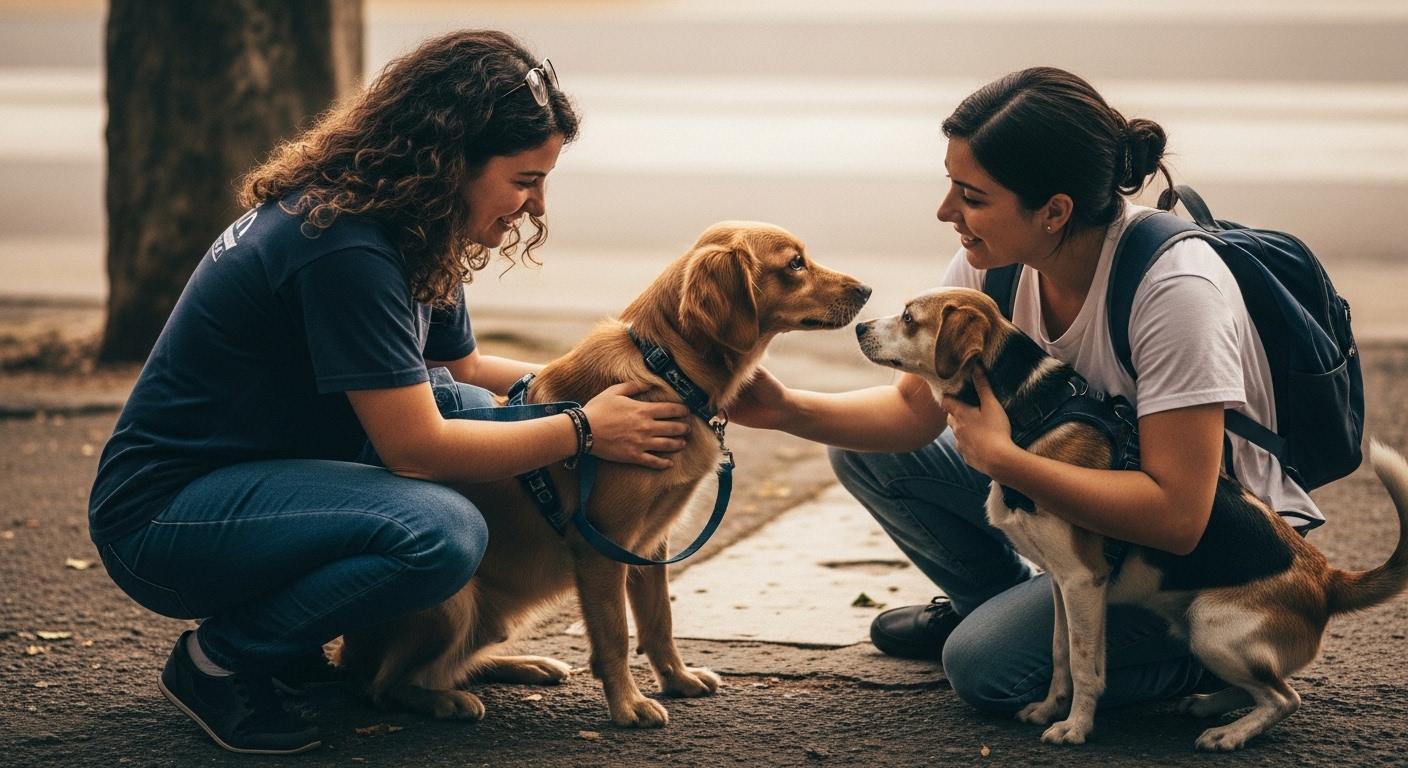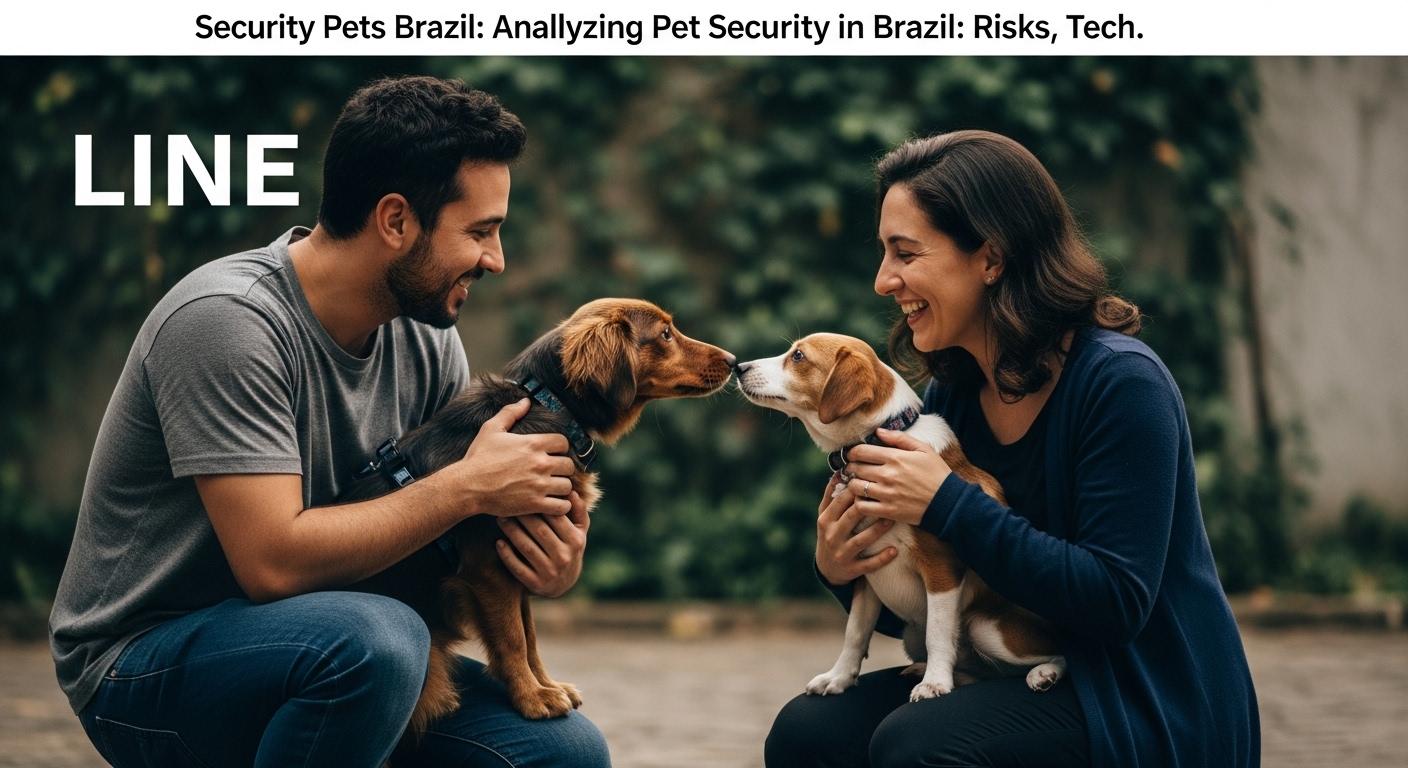
Brazilian family at home with their dog and safety devices.
Updated: March 16, 2026
Security Pets Brazil is no longer a niche concern but a daily calculus for millions of Brazilian households. Across cities from Salvador to Porto Alegre and into the countryside, owners balance tight budgets with rising expectations that technology, policy, and community can reduce the vulnerabilities their companions face. In this analysis, we trace how the safety landscape for pets in Brazil has evolved, why care strategies have grown more layered, and what outcomes policymakers and market actors should prioritize to strengthen safety for pets without compromising privacy or affordability. For many readers, this is about security Pets Brazil—how homes, streets, and parks become part of a safety ecosystem.
Context: Brazil’s pet culture and risk environment
Pet ownership in Brazil spans urban apartments to rural ranches, and that diversity shapes risk profiles in tangible ways. In dense metropolises, pets contend with crowded streets, traffic hazards, and the constant movement of people in commercial districts. In smaller towns, limited access to veterinary care and fewer public services can magnify everyday hazards, from heat exposure to accidental injuries. The cultural emphasis on companionship means that owners often view pets not as mere animals but as integral family members, deserving of protection that extends beyond a front gate. Against this backdrop, communities have formed informal networks—neighborhood groups, WhatsApp alerts, and local volunteers—that extend safety checks beyond official channels. Yet these networks also face constraints: uneven internet access, shifting work patterns, and the uneven response capacity of law enforcement in different regions.
The risk of pet theft has entered the urban lexicon as a real concern in several Brazilian cities, prompting owners to consider identification and recovery strategies as essential components of daily life. Microchips, tags, and registration systems are increasingly normalized, but their effectiveness often hinges on how well registries are maintained and connected to veterinary clinics, shelters, and authorities. Beyond theft, climate and habitat changes compound risk: heat stress in outdoor environments, exposure to public spaces during travel, and the challenge of keeping pets safe in high-traffic locales. The emergent lesson is not simply how to secure a door, but how to craft a layered, community-informed approach to pet safety that functions across neighborhoods with varying resources and infrastructures.
Technology, ethics, and the safety paradigm
Technology has accelerated what it means to keep a pet secure. GPS trackers, smart collars, and camera-enabled ecosystems enable real-time location tracking, breathless updates, and remote management of access controls for homes and yards. The proliferation of connected devices is reshaping expectations: owners anticipate rapid alerts about potential hazards, more data about a pet’s daily patterns, and more granular control over where a pet can go. This shift creates practical benefits—lower risk of losing a dog during a walk, faster responses when a pet misplaces itself, and better recovery outcomes with traceable identification.
But the same tech that promises safety also raises ethical and security questions. Data generated by trackers and cameras flows into cloud services, where access controls, encryption, and vendor privacy policies determine who sees it and how it is used. Brazil’s General Data Protection Law (LGPD) sets a framework for how personal data can be stored and shared, but the pet-tech sector often blurs the line between household privacy and commercial analytics. Breaches or misconfigurations can expose location histories, routines, and sensitive information about a family’s daily life. Consumers must weigh convenience against potential privacy costs, recognizing that a safer route for one owner may imply greater visibility for advertisers, insurers, or even malicious actors.
Industry players increasingly adopt integrated safety ecosystems, linking microchips with vet databases, insurance services, and social networks that circulate pet-recovery alerts. The promise is a holistic safety net: a registered chip that can be traced across clinics, a tracker that complements a key fob, and a digital profile that helps shelters quickly identify a lost animal. The challenge is to ensure interoperability without creating single points of failure or embedding surveillance at every turn of a pet’s day. In practice, this means emphasizing security-by-design in devices, transparent data practices, and clear user controls that let families decide what data to share and with whom.
Regional disparities and risk dynamics
Brazil’s regional diversity means that a one-size-fits-all approach to pet security is impractical. In wealthier urban centers, households often couple premium devices with professional services—veterinary clinics offering microchip updates, pet-sitting networks that incorporate safety check-ins, and insurance products that cover loss or injury. In many of these areas, access to fast internet, modern clinics, and consumer credit makes investments in safety more feasible. In contrast, rural and underserved urban areas may struggle with basic care access and affordability, constraining the adoption of advanced tracking devices or formal registries. Stray populations and community-led initiatives intersect with municipal policies in complex ways: where there is robust community vigilance, the risk of loss can be mitigated, but it also requires reliable communication channels and consistent resources to sustain.
The result is a patchwork of safety regimes, where a pet’s security is as much about geographic luck as about the latest gadget. This regional asymmetry has policy implications: it argues for scalable, low-cost safety options that work in diverse settings, along with support for community networks that can fill gaps where formal services lag. It also highlights the need for data systems that respect local realities—systems that are usable in areas with intermittent connectivity and that can function with limited currency or credit options for device purchases.
Policy, markets, and corporate response
Policy responses to pet safety in Brazil are increasingly attuned to a multidimensional risk environment. Regulations around animal identification, veterinarian records, and data privacy influence how registries operate and how data can be used for recovery efforts. Insurers are exploring products that cover pet-related losses, while retailers and tech firms push toward bundled safety ecosystems that integrate devices, services, and veterinary care. The economic calculus for families remains central: devices, subscriptions, and insurance can be significant ongoing costs, even as they yield potential reductions in loss time and stress for pets and owners.
A growing trend is partnerships among clinics, insurers, and technology providers to share data in a way that improves outcomes without compromising privacy. This requires strong governance around access controls, data minimization, and user consent. It also demands public education about how to assess device reliability, understand warranty terms, and navigate potential trade-offs between convenience and exposure. In short, the path forward blends practical hardware with thoughtful policy and responsible business practices, aiming to deliver tangible safety gains while safeguarding Brazilian families’ privacy and financial resilience.
Actionable Takeaways
- Register your pet with a recognized microchip and keep contact details up to date across all clinics and shelters in your area.
- Choose trackable devices and cameras from reputable manufacturers, and review data practices before purchase; enable only essential features and opt out of non-essential data sharing where possible.
- Combine technology with human networks—neighborhood safety groups, veterinary check-ins, and reliable pet-sitting services—to create a multilayered safety net that doesn’t rely on devices alone.
- Develop a simple home safety routine: secure outdoor spaces, plan safe transport routes, and practice a recovery plan in collaboration with trusted neighbors or local shelters.
- Consider the total cost of safety: evaluate device durability, subscription fees, and insurance options; balance investment with local access to care and community resources.
- Protect your privacy by understanding LGPD implications, reading device privacy policies, and controlling who can access your pet’s data and location histories.
Source Context
Contextual background and related industry developments referenced in this analysis include:
ASIS: Security news overview
< a href='https://news.google.com/rss/articles/CBMimwFBVV95cUxORlEwWXd5RlU1MEs0am5WY0NyM1d2MGptUDhWanVDNjZBU29yZllsc3pQQktjSm1aRjQtaEFYOWwzTUt6Vkc4R3R6ZE1JZUVDbFpCTHgydTRzbW9zMl9lay16UWhYUlFqVVFvWV9KRll6bERVX2t4X1VGVWtQLW1RNWlzMmpuWTBHdkxQLWZSU0lJZkJVUEl3RG80UQ?oc=5'>Pet food market outlook and premium-natural trends
Genomics and pet-health data integration in Brazil
These sources provide relevant context on the regulatory environment, market growth, and technology adoption that shape the security landscape for pets in Brazil. They help frame the policy and industry considerations discussed in the article and illustrate the practical implications for owners and communities alike.