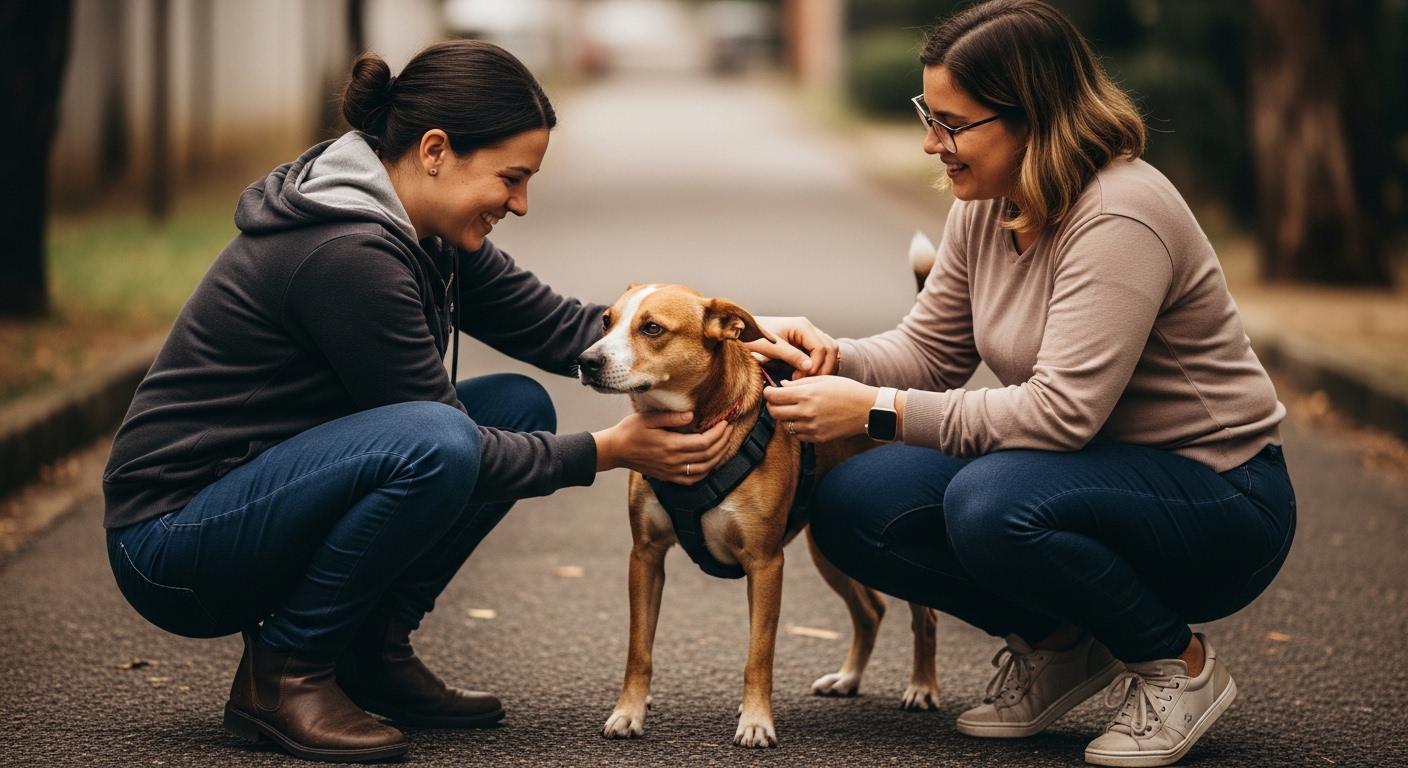
Dog and owner in a Brazilian urban park illustrating dog welfare and ownership in Brazil.
Updated: March 16, 2026
In Brazil, pet ownership has surged alongside urban density, bringing new kinds of security concerns for households and communities. This analysis on security Pets Brazil examines how urban risk, technology, and policy intersect in homes that treat animals as family members, while also considering the data trails left by cameras, trackers, and apps. The goal is to map practical steps that households, veterinarians, and local authorities can take to reduce risk without compromising privacy, trust, or mobility.
Rising Risks in Brazilian Urban Landscapes
Brazilian cities mix high population density with uneven safety outcomes. Pet theft remains a visible risk in major capitals and peri-urban areas, where dogs and cats can be targeted for resale, ransom, or even as collateral in family disputes. Unlike other asset theft, companion animals carry emotional value that complicates detection and recovery, pressing families to adopt measures that do not rely solely on luck. Urban design elements like transit hubs, crowded streets, and limited green space also create moments when animals can slip from sight. This confluence of factors has elevated the perceived need for security solutions that are practical for daily life—solutions that respect the social realities of Brazilian households and the limits of municipal resources.
For households, the challenge is not only to deter theft but to facilitate rapid reunification if a pet goes missing. Loss events often happen in moments of routine—walking through busy avenues, dropping a leash by a doorway, or a rapid dash for a bus. Community networks and local shelters become critical partners, but they rely on timely communication, trustworthy data, and clear operational guidelines. The broader security equation thus includes neighborhood awareness, humane treatment during recovery processes, and a reasonable expectation that security measures do not transgress personal privacy or civil liberties.
Digital Tools and Data Privacy
Technologies designed to protect pets—GPS trackers, smart collars, and home cameras—have become common in middle-class households. They offer real-time location updates, tamper alerts, and behavioral insights that can speed up recovery after a loss and help veterinarians monitor health. Yet these tools introduce a new layer of data handling: where location data is stored, who can access it, and how long it is retained. Brazil’s General Data Protection Law (LGPD) shapes how pet data may be collected and shared, while device makers’ policies vary widely in transparency and security. For Brazilian families, the trade-off is between faster reunification and the risk of data leakage or misuse, including cross-border data transfers in cloud services. Consumers are advised to read what is collected, how it is secured, and whether data remains under local jurisdiction.
Beyond individual devices, the proliferation of connected home ecosystems raises questions about interoperability and vendor lock-in. A single app or platform might consolidate pet location, health data, and behavioral analytics, creating a valuable data profile. This reality underlines the importance of selecting devices with strong encryption, clear deletion timelines, and straightforward opt-out options. For clinics and shelters, data portability and consent become practical concerns when sharing information to assist in reunification or health monitoring. The overarching point is that technology can improve safety, but it must be paired with robust privacy protections and transparent governance.
Policy Gaps and Industry Response
Policy attention to pet security sits at the intersection of public safety, consumer protection, and animal welfare. There is no single nationwide standard for pet data management, microchip interoperability, or cross-state veterinary records in Brazil. Some cities and states have taken initial steps—registries for microchips, partnerships with shelters, or collaborations between insurers and veterinary clinics—but consistency remains uneven. Industry responses include the emergence of domestic and multinational providers offering integrated security ecosystems, yet variation in privacy practices and affordability can create uneven protection. Professionals in shelters, clinics, and animal welfare groups stress the need for clearer guidelines that align with LGPD principles and with broader urban safety initiatives, while also encouraging responsible pet ownership and community watch efforts.
At a policy level, experts suggest three parallel tracks: (1) standardizing microchip registration and inter-state data exchange, (2) promoting transparent privacy disclosures for pet technology, and (3) supporting public-private partnerships that fund community safety programs without creating surveillance overreach. Such moves could help small clinics and shelters participate more effectively in reunification and welfare work, while giving families concrete assurances about data handling and device reliability. The challenge remains translating high-level principles into practical rules that fit Brazil’s regional diversity and resource constraints.
Actionable Takeaways
- Register microchips and keep records up to date with a primary contact and a secondary guardian, ensuring cross-state accessibility if needed for travel or emergencies.
- Choose GPS trackers and collar devices with transparent privacy policies, strong encryption, and controllable data-sharing settings.
- Prefer home-monitoring solutions that provide local or regionally stored data, and routinely review permissions granted to apps and services.
- Use tamper-evident collars or secure transport routines (leash discipline, crate use) to reduce the chance of loss during daily activities.
- Coordinate with neighbors and local networks to build a lightweight community watch, sharing alerts without compromising personal data.
- Maintain updated veterinary records and consider cross-referencing microchip databases with local shelters and clinics for rapid reunification in case of separation.
- Educate family members about recognizing suspicious activity and reporting concerns to authorities, shelters, or veterinary partners when needed.
Source Context
The following sources inform this analysis, providing background on security trends, market signals, and industry shifts relevant to Brazilian households.